
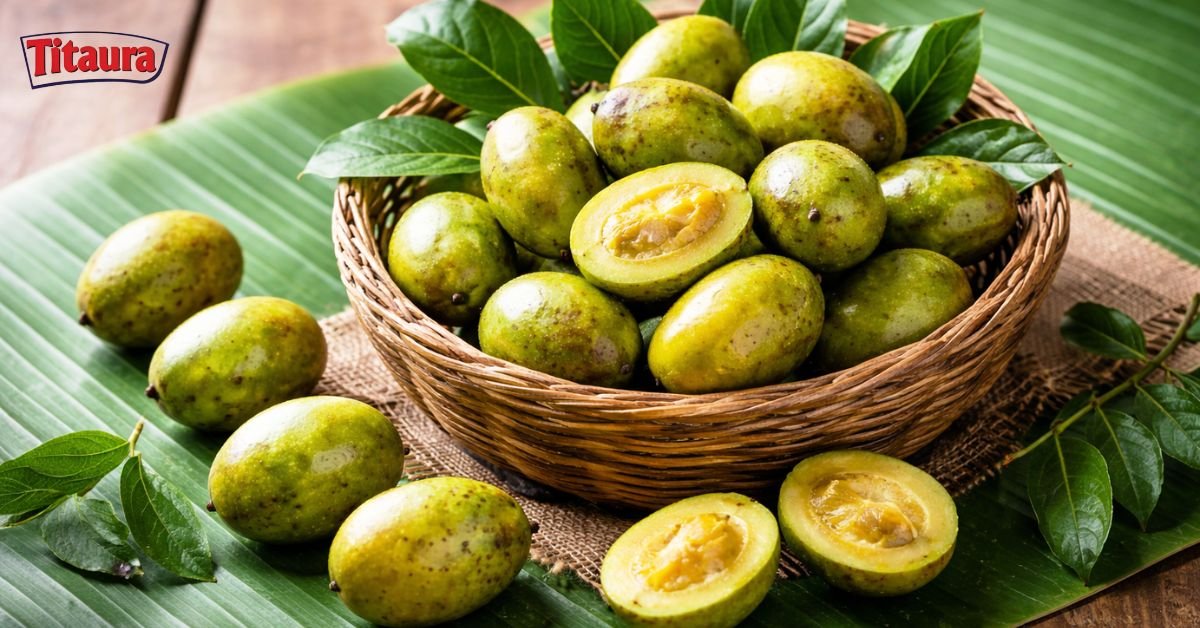
Himalayan Hog Plum, locally known as Lapsi, is far more than just a fruit in Darjeeling—it is an emotion woven into childhood memories, street-side snacks, festive treats, and traditional kitchens. With its sharp tang, subtle sweetness, and unmistakable aroma, Lapsi has earned a permanent place in local food culture and is steadily gaining global recognition among lovers of bold, natural flavors.
What Is Himalayan Hog Plum (Lapsi)?
Lapsi is the fruit of a deciduous tree native to the Himalayan foothills, thriving in Darjeeling’s mid-hill regions. The fruit is oval-shaped, green when raw, and turns yellowish as it ripens. Inside lies a hard seed surrounded by a fibrous pulp that delivers an intense sour-to-tangy punch, often balanced with salt, chili, or sugar.
Unlike many fruits eaten fresh, Lapsi is most celebrated after processing, which unlocks its true culinary potential.
A Fruit Rooted in Himalayan Culture
For generations, Lapsi has been a seasonal highlight in Darjeeling. Children eagerly wait for vendors selling Lapsi candy near schools, while households prepare homemade chutneys and pickles during harvest time. In many ways, Lapsi plays the same nostalgic role that tamarind or raw mango does in other South Asian cultures.
From village kitchens to urban snack stalls, Lapsi connects people across age groups and regions—simple, rustic, and deeply familiar.
Popular Lapsi Preparations
Himalayan Hog Plum shines through a wide variety of traditional and modern preparations:
Perhaps the most famous Lapsi product, this chewy candy blends boiled Lapsi pulp with sugar, chili, and salt. It delivers a sweet–sour–spicy explosion that defines Himalayan snacking culture.
- Lapsi Achar (Pickle)
Made with mustard oil, spices, chili, and salt, Lapsi pickle is bold, aromatic, and mouth-watering—often paired with rice, beaten rice (chiura), or traditional meals.
- Lapsi Chutney
Cooked down with spices and sometimes jaggery, this chutney balances tartness and sweetness beautifully, making it an excellent accompaniment to snacks and meals.
- Dried Lapsi
Sun-dried Lapsi pulp is a popular on-the-go snack, especially in hilly regions, offering intense flavor with long shelf life.
Nutritional Benefits of Himalayan Hog Plum
Beyond taste, Lapsi is valued for its nutritional and traditional wellness benefits:
- Rich in Vitamin C – supports immunity and skin health
- High in antioxidants – helps fight oxidative stress
- Aids digestion – traditionally consumed after meals
- Low in fat and naturally plant-based
In traditional households, Lapsi is often believed to stimulate appetite and refresh the palate.
Why Lapsi Is Gaining Global Attention
As global consumers seek authentic, regional, and bold flavors, Himalayan Hog Plum fits perfectly into modern food trends. Its sharp tang and versatility make it ideal for:
- Artisanal candies and snacks
- Gourmet chutneys and condiments
- Fusion recipes and experimental cuisine
Lapsi is also a powerful reminder of home—making it both a cultural and commercial treasure.
From Himalayan Trees to Modern Tables
Today, Lapsi is no longer limited to local markets. Improved processing, hygiene standards, and packaging have helped transform this humble fruit into a globally appreciated delicacy, while still preserving its traditional soul.
Every bite of Himalayan Hog Plum carries the taste of Himalayan soil, mountain air, and generations of culinary wisdom.
Conclusion
Himalayan Hog Plum (Lapsi) is a rare fruit that perfectly balances tradition, taste, and nutrition. Whether enjoyed as a spicy candy, tangy pickle, or rich chutney, it represents the bold spirit of Himalayan cuisine. As more people discover its unique flavor, Lapsi continues its journey—from local hillsides to plates around the world—proudly carrying the essence of Darjeeling.