Description
Nunilo Kagati Titaura: Unearthing the Meaning, Culture, and Influence
Introduction
In the ever-expanding digital world, unique keywords and phrases capture our curiosity and spark viral trends. One such phrase that has recently gained attention is Nunilo Kagati Titaura.
What does it mean?
Where does it originate? And why are so many people searching for it? In this blog, we’ll explore the potential meanings, cultural connections, and growing impact of Nunilo Kagati Titaura.
Image | Details |
|---|---|
 | |
 | |
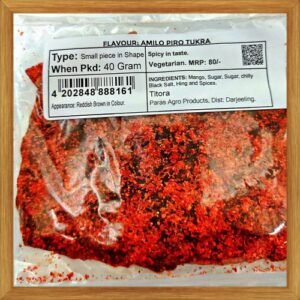
 | Amilo Piro Tukra Titaura a perfect balance of tangy (amilo), spicy… 7Available ₹360.00 |
 | Bechi Pata Titaura is a traditional Himalayan snack made from… 1Available ₹360.00 |
 | Charpate Titaura is more than just a snack—it’s a piece… 2Available ₹410.00 |
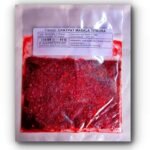 | Chatpat Masala Titaura — a blend of spices that add… 23Available ₹360.00 |
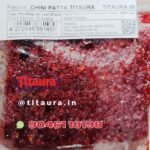 | Chini Pata Titaura, a classic sweet variety loved for its… 8Available ₹360.00 |
 | |
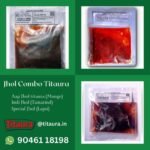 | Jhol Titaura (Combo of 3 Packs) an iconic treat, in… 4Available ₹329.00 |
 | |
 | Lamo Candy Titaura, Taste Profile: Khatta meetha" or "sweet and sour"… 2Available ₹419.00 |
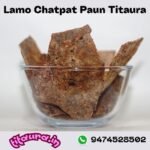 | Lamo Chatpat Paun Titaura is inspired by age-old Himalayan recipes, carefully… 1Available ₹439.00 |
 | Crafted from wild Himalayan Lapsi — bold, tangy & addictive.Made… 2Available ₹360.00 |
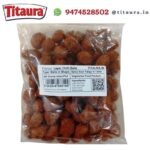 | Lapsi Chilli Balls Titaura (400 Grams)Ingredients: Lapsi (Hog Plum), Chilli… 8Available ₹375.00 |
 | |
 | |
 | Piro Patta Titaura - known for its distinct spicy, sour… 9Available ₹360.00 |
 | Pura Char Pate Masala Titaura is unique blend of sweet… 2Available ₹298.00 |
 | |
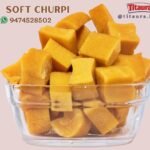 | |
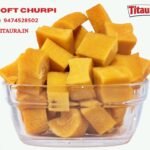 | |
 | Sweet Candy Pulp Titaura: A celebration of Himalaya's most beloved street-side… 2Available ₹360.00 |
What Does “Nunilo Kagati Titaura” Mean?
- At first glance, “Nunilo Kagati Titaura” might seem cryptic or even mysterious. The phrase doesn’t directly translate from any widely spoken language, which may contribute to its intrigue. For some, it signifies the growing global trend of blending cultural phrases to create something truly unique.
Breaking Down the Keyword
- Nunilo: This could refer to a name, or perhaps a title. “Nunilo” is a rare name, sometimes found in historical texts, such as Saint Nunilo, a Christian martyr.
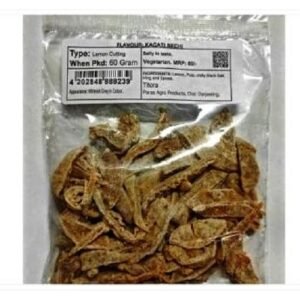
- Kagati: In some South Asian dialects, “kagati” refers to lemon or lime, a fruit deeply valued in culinary and ritual practices.
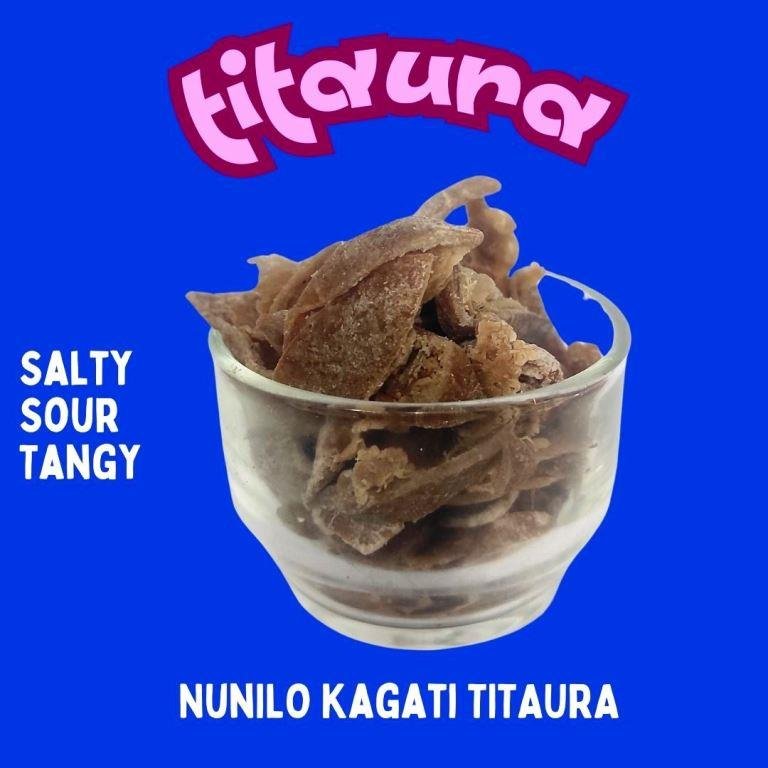
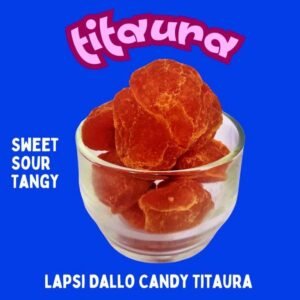
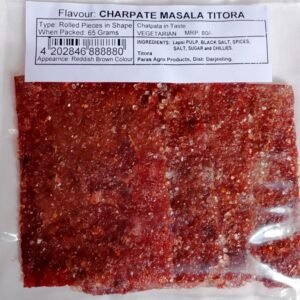
- Titaura: “Titaura” is a popular tangy, spicy Himalayan candy made from fruits like mango, tamarind, or lapsi (Himalayan hog plum), widely loved across Darjeeling and among the local diaspora.
So, “Nunilo Kagati Titaura” could be interpreted as a unique or special blend of tart lemon (kagati) and the beloved Haimalyan titaura snack—perhaps referencing a new variety of titaura or a fusion treat, or it could be a playful, imaginative phrase.
Cultural Significance
Darjeeling Snack Culture
In Darjeeling, titaura is much more than just a treat—it’s a part of social gatherings, schoolyard memories, and local commerce. Titaura often sparks nostalgia for childhood days, roadside vendors, and the thrill of spicy, sour flavors bursting in the mouth. Introducing unique fruits or elements, like kagati (lemon), only adds to its diversity.
Innovation in Tradition
If we approach “Nunilo Kagati Titaura” as a new product, it mirrors the trend of innovation within tradition—where classic snacks are reinvented with modern flavors or techniques. The name itself could evoke curiosity and anticipation in both local and global food markets.
The Viral Trend: Why Is Nunilo Kagati Titaura Popular?
- Social Media Buzz: Unusual and catchy keywords can quickly become trending topics as users share memes, inside jokes, or product launches.
- Culinary Curiosity: Global audiences are increasingly interested in authentic, fusion, and street foods—searching for new flavors or cultural experiences.
- Nostalgia Marketing: Terms that evoke childhood memories, cultural roots, or shared experiences tend to resonate deeply, leading to organic virality.
How to Enjoy Nunilo Kagati Titaura
If you’re in Darjeeling or have access to Himalyani grocery stores, try seeking out titaura varieties featuring kagati or lemon flavors. Here’s how locals might enjoy it:
- As a Snack: On its own, as a tangy, mouth-puckering treat.
- With Friends: Sharing packets during school or work breaks.
- Paired with Tea: Balancing spicy and sour with a cup of milk tea.
Want a taste at home? Try making your own version:
Slice dried fruits, add lemon juice, salt, chili, and sugar, then let the flavors meld. Customize for extra zing!
Conclusion
Whether “Nunilo Kagati Titaura” is a new product, a clever phrase blending cultural icons, or a trending buzzword, it’s a great reminder of how food, language, and curiosity connect us across borders. Don’t be afraid to explore strange-sounding flavors—they might just become your next favorite snack!
What’s your experience with titaura or lemon-based snacks? Have you ever tried anything called Nunilo Kagati Titaura? Share your thoughts in the comments!
Frequently Asked Questions (FAQ)
Q: Where can I buy Nunilo Kagati Titaura?
A: Check local Himalayan stores, or look for online retailers specializing in South Asian snacks.
Q: What does titaura taste like?
A: Titaura is typically tangy, spicy, salty, and sweet all at once.
Q: Is Nunilo Kagati Titaura a real product?
A: The phrase might refer to a newly invented or local specialty titaura flavor—if you see it in stores, give it a try!
If this article sparked your curiosity, follow us for more deep-dives into emerging food trends and cultural phenomena!
Neha Sharma –
Delicious and nostalgic. I always stock up on Titaura.
Shellie –
delicious