
Description
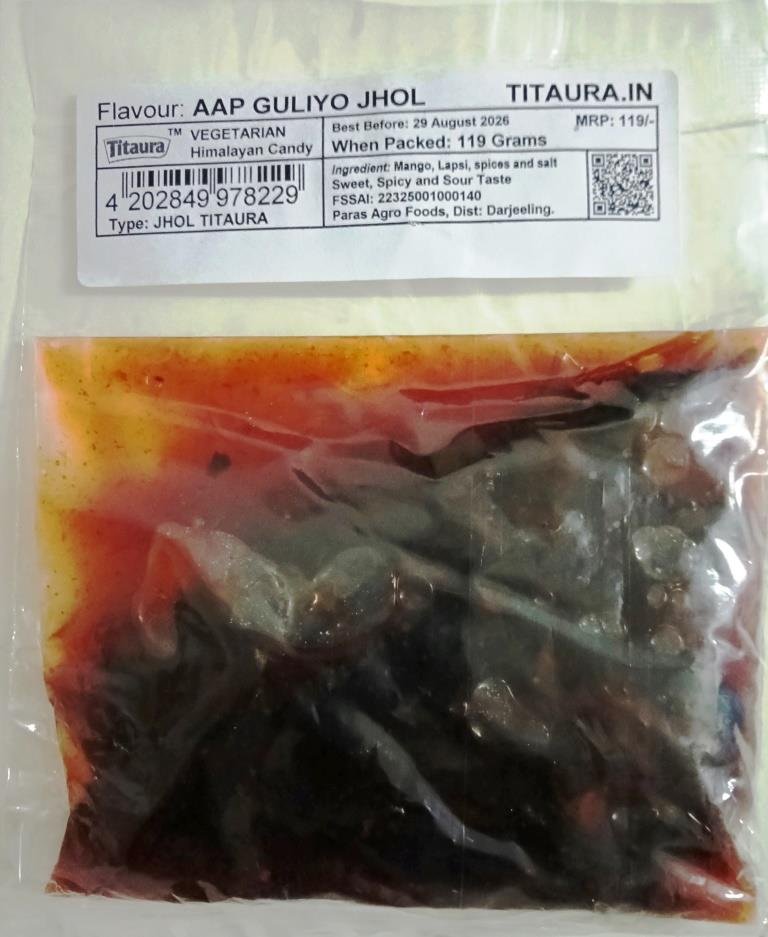
Aap Guliyo Jhol Titaura
There are foods that feed the body, and then there are foods that feed something deeper — that pull you by the collar back to a specific afternoon, a specific courtyard, a specific laugh. Aap Guliyo Jhol Titaura is that kind of food.
Ask anyone who grew up in the Himalayan hill communities — across Darjeeling, Sikkim, the Terai plains, or the high mountain towns further north — and watch their face change at the mention of titaura. It is not merely a snack. It is a sensation, a philosophy even, compressed into a small, sticky, sun-dried medallion of preserved mango.
Image | Details |
|---|---|
 | |
 | |
 | Titaura Combo 5 Flavours -Aam JholBechi PattaChatpat MasalaPiro PattaChinni PattaPlease… 20Available ₹380.00 |
| | Imli PiroSpecial Lapsi CandyAam JholJhol ImliBechi PattaSpicy Chatpat TitauraTukra Piro… 8Available ₹490.00 |
 | Aam Jhol Titaura and Mango Titaura stand out as beloved… 9Available ₹360.00 |
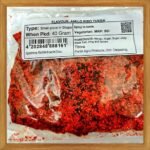 | Amilo Piro Tukra Titaura a perfect balance of tangy (amilo), spicy… 3Available ₹360.00 |
 | |
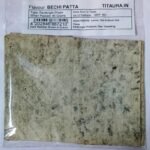 | Bechi Pata Titaura is a traditional Himalayan snack made from… 10Available ₹360.00 |
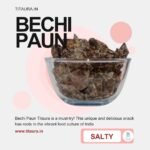 | Bechi Paun Titaura is a must-try! This unique and delicious… 3Available ₹439.00 |
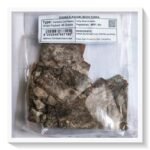 | Bechi Tukra Titaura is a traditional hilly confectionery made from… 1Available ₹360.00 |
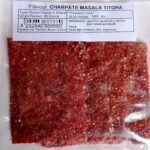 | Charpate Titaura a piece of Himalayan culture. Whether you love… 1Available ₹410.00 |
 | Chatpat Masala Titaura — a blend of spices that add… 4Available ₹360.00 |
 | |
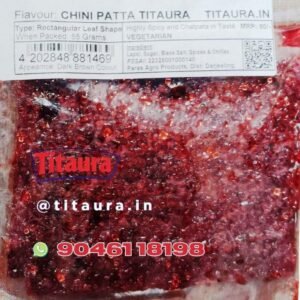
 | Chini Pata Titaura, a classic sweet variety loved for its… 15Available ₹360.00 |
 | |
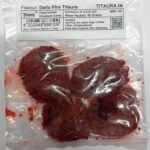 | |
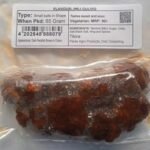 | Imli Gulliyo Titaura is a snack that deserves a spot… 3Available ₹298.00 |
 | Imli Jhol Titaura (3 Packets)Bursting with tangy tamarind flavor 🍋A… 2Available ₹298.00 |
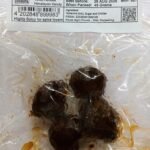 | |
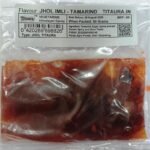 | |
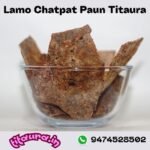 | Lamo Chatpat Paun Titaura is inspired by age-old Himalayan recipes, carefully… 15Available ₹439.00 |
 | Lapsi Dallo Candy Titaura is a beloved traditional candy from… 2Available ₹298.00 |
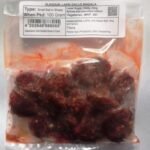 | Lapsi Dallo Masala Titaura has deep roots in Nepalese culture… 12Available ₹298.00 |
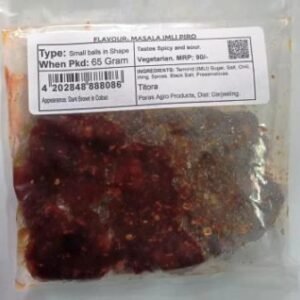
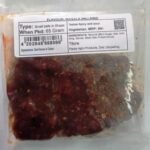 | Masala Imli Piro - The Beloved Spiced Tamarind Candy of… 12Available ₹298.00 |
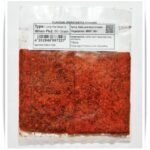 | Piro Patta Titaura - known for its distinct spicy, sour… 8Available ₹360.00 |
 | |
 | |
 | |
 | |
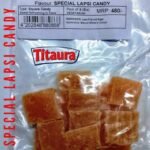 | Special Lapsi Candy Titaura (5 Packets) - the ultimate Nepali… 6Available ₹419.00 |
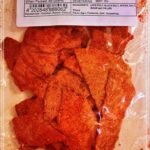 | Tukra Piro Titaura A centuries-old Himalayan tradition — bold, tangy, fiery… 7Available ₹439.00 |
Among all the varieties of titaura that exist — and there are many — Aap Guliyo Jhol Titaura holds a particularly beloved place. The name itself tells you almost everything: aap means mango, guliyo means sweet, jhol refers to a liquidy or syrupy consistency, and titaura is the preserved, dried, or semi-dried fruit preparation that has been a cornerstone of Himalayan culinary tradition for generations.
What is Titaura?
Titaura is the beloved category of tangy, spiced fruit leather or preserved fruit preparation from the hills. Made from fruits like mango, lapsi (Himalayan hog plum), amala (Indian gooseberry), and even tomato, titaura is seasoned with a complex blend of spices — dried red chili, timur (Sichuan pepper), salt, and sometimes tamarind or black salt — then dried in the sun until it reaches the desired consistency.
Sour, Sweet, Spicy, Tangy and Complex Flavour.
The genius of titaura lies in this layering of flavors. There is no single note — it is a chord. The sourness of the fruit, the heat of the chili, the numbing tingle of timur, the earthiness of salt, and then — in the case of guliyo varieties — a swell of sweetness that rounds it all out. It hits every part of the palate, often simultaneously.
The “Guliyo Jhol” difference
While many titauras are dry, firm, or leathery, the jhol (syrupy) variety occupies a special sensory category. Aap Guliyo Jhol Titaura is made from ripe, sweet mangoes whose pulp is cooked down with spices and sugar into a thick, glossy, semi-liquid concentrate. It is then either sold in small packets as a sauce-like condiment or semi-dried into a soft, almost jam-like piece.
The texture is part of the experience — sticky against the fingers, yielding between the teeth, leaving a warm-spiced sweetness that lingers long after the mango is gone. Children eat it straight. Teenagers eat it with stolen furtiveness behind school gates. Adults eat it with a kind of nostalgic deliberateness, savoring each bite as if recovering something lost.
Key ingredients
-
Ripe mangoes (or green mangoes for the sourer varieties)
-
Timur (Sichuan/hill pepper) — the signature numbing-citrusy spice
-
Dried red chilies, ground coarsely
-
Sendha namak (rock salt) or kala namak (black salt)
-
Sugar or jaggery for the guliyo (sweet) base
-
Sometimes: tamarind pulp, turmeric, or amchur (dried mango powder)
A street food turned cultural icon
Titaura was born from the ingenuity of preservation. Before refrigeration, households in the hills sun-dried and spiced fruits to extend their shelf life through long winters. What began as practical preservation evolved into an art form, each household and region developing its own signature recipe, its own ratio of sweet to sour to fiery.
Today, Aap Guliyo Jhol Titaura is as much a commercial staple as a homemade tradition. Market stalls in hill towns are lined with vendors selling it in small plastic packets, often hand-crafted in modest home kitchens. Brands have emerged.
Packaging has improved. But the best versions — the ones people seek out and travel for — are still the ones made by hands that have been doing it for decades, by women in open courtyards who know by instinct exactly when the mango has reduced to the right consistency, when the timur has bloomed enough, when the whole thing is ready to be pressed flat and laid under the afternoon sun.
Every bite of titaura carries the memory of a school tiffin box opened at recess, a coin clutched on the way to the nearest pasal, a grandmother’s hands folding paper around a sticky amber square.
Making it at home
Home preparation of Aap Guliyo Jhol Titaura requires patience more than skill. Ripe mangoes are peeled, deseeded, and blended into a smooth pulp. This pulp is cooked over low heat with sugar until it thickens considerably, then spices are added — timur, red chili powder, salt, and sometimes a pinch of turmeric for color and warmth. The mixture is spread onto flat trays or banana leaves and left in the sun for one to several days, depending on the desired consistency.
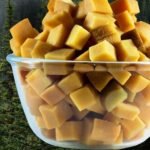
The jhol variety is removed from drying earlier, while it still retains some soft, syrupy quality. Cut into small pieces, it can be stored in airtight containers for weeks — or consumed within minutes, which is the far more common outcome.
More than a snack
What makes Aap Guliyo Jhol Titaura worth writing about — worth celebrating — is not just its taste, extraordinary as that taste is. It is what it represents: a food that emerged from necessity and became pleasure, that belongs to no particular class or occasion, that is as at home on a festival table as tucked into a schoolchild’s pocket. It is democratic, generous, and gloriously excessive in its flavor.
It is also a reminder that the culinary traditions of the Himalayan hills — so often overlooked in global conversations about food — carry their own profound depth, their own vocabulary of taste, their own way of transforming humble fruit and sunlight into something unforgettable.
So the next time you come across a small amber packet of Aap Guliyo Jhol Titaura, don’t hesitate. Open it. Let the smell reach you first — sweet mango and sharp spice in the same breath. Then eat it the way it was meant to be eaten: all at once, with full attention, and a willingness to be surprised.
"In the hills, the sour and the sweet do not compete — they conspire. Titaura is their treaty."
Reviews
There are no reviews yet.