

Description
Special Jhol Titaura
Traditional Snack Culture · Northeast Himalayan Foothills of India
Special Jhol Titaura
The Liquid-Spiced Tamarind Relish of the Mountain Foothills — A Snack, a Sauce, and a Sensation
Introduction
Of all the many forms that titaura takes across the northeast Himalayan foothills of India, none is quite as dramatic, versatile, or beloved as Jhol Titaura — the liquid-spiced variant that sits somewhere between a relish, a dipping sauce, and a standalone snack experience. The word jhol means a thin, pourable liquid or gravy in the local hill dialect, and it perfectly describes this remarkable preparation: a glossy, dark, intensely flavored tamarind-based liquid loaded with whole and ground spices, dried fruits, and a heat that builds slowly and lingers long.
While the dried forms of titaura are carried in pockets and school bags, Jhol Titaura is scooped carefully into small containers, poured over sliced fruits, drizzled on puffed rice, or consumed with a tiny spoon as a sour-spicy liquid treat. It occupies a special place in the snack culture of the Darjeeling hills, Sikkim’s bazaars, Kalimpong’s market lanes, and the tea-garden towns of the Dooars — wherever a small bottle of this deep, complex condiment appears, it draws an immediate crowd.
Image | Details |
|---|---|
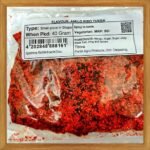 | Amilo Piro Tukra Titaura a perfect balance of tangy (amilo), spicy… 4Available ₹360.00 |
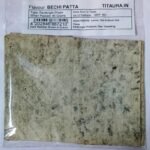 | Bechi Pata Titaura is a traditional Himalayan snack made from… 14Available ₹360.00 |
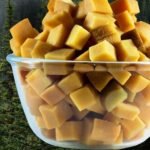
 | Chinny Candy Titaura should be on your must-try list. This… 3Available ₹328.00 |
 | |
 | Made from premium Dalle chillies Preserved in oil for enhanced… 1Available ₹398.00 |
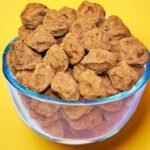 | |
 | Lapsi Dallo Candy Titaura is a beloved traditional candy from… 4Available ₹298.00 |
 | |
 | |
 | |
 | Special Lapsi Candy (5 Packets) Special Lapsi Candy Titaura – the… 6Available ₹419.00 |
What Makes It “Special”
The qualifier “Special” before Jhol Titaura is not used lightly in the hill communities. A regular jhol titaura is simply tamarind cooked with spices and kept loose. The Special version goes several steps further — it is a layered, multi-ingredient preparation where each component is treated separately before being combined, producing a depth of flavor that simple preparations cannot replicate.
What typically defines the “special” character includes the use of lapsi (Choerospondias axillaris — the Himalayan hog plum) alongside tamarind for a layered tartness; whole timur (Sichuan pepper) toasted separately and added in two forms — ground and whole — for both heat and texture; a slow-reduction cooking process that concentrates flavor; and a careful balance of black salt, rock salt, and sometimes a small quantity of fermented ingredient that adds a subtle umami depth no commercial version achieves.
Each maker in the hills has their own secret proportion — the ratio of lapsi to tamarind, the exact moment the spices go in, whether a pinch of methi (fenugreek) is added for bitterness, whether fresh ginger is used alongside dry — and these small decisions are what make a vendor’s Special Jhol Titaura legendary in their locality.
Key Ingredients in Detail
Imli (Tamarind)
The anchor of the jhol — provides the dominant sourness and the thick, sticky body that defines the sauce’s texture. Whole pods are soaked overnight for maximum pulp extraction.
Lapsi (Himalayan Hog Plum) Dried or fresh lapsi is the defining ingredient of Special Jhol Titaura. Its floral tartness is distinct from tamarind — more perfumed, slightly resinous — and when combined with imli, creates a sourness of extraordinary complexity.
Timur (Sichuan Pepper) Used in two ways — whole peppercorns fried briefly in oil and added as texture, and freshly ground powder stirred in toward the end. The tongue-numbing, citrusy heat of timur is the soul of this preparation.
Sukha Khursani (Dried Red Chili) Whole dried chilies are briefly roasted and then coarsely ground — keeping them coarse rather than powdering them preserves the pungency. In the special version, both Dalle Khursani and regular dried red chili may be used together.
Kalo Noon (Black Salt) Essential for depth and that distinctive sulfurous minerality that makes the jhol taste “alive.” Combined with regular salt for a balanced salinity profile.
Aduwa (Fresh + Dried Ginger) Fresh ginger adds brightness and pungency; dried ginger adds warmth and depth. The special version uses both — the interplay of these two forms of the same ingredient creates a layered ginger note that neither alone can achieve.
Jeera (Cumin) Dry roasted and ground, cumin provides an earthy, slightly smoky undertone that ties the bright acids and sharp spices together into a cohesive flavor.
Chini / Misri (Sugar / Rock Candy) Used sparingly — just enough to round the sourness and make the heat approachable. Some special versions use jaggery for a molasses-like sweetness that regular sugar cannot replicate.
Mustard Oil (Optional) A small drizzle of raw mustard oil is stirred in at the very end by some makers in the Dooars and lower Terai belt — it adds a pungent, slightly bitter edge and creates a sheen on the surface of the jhol.
The Preparation Process — Step by Step
Step 1 — Soaking the sour base
Raw tamarind and dried lapsi (or fresh lapsi pulp) are soaked separately in warm water for a minimum of four hours, ideally overnight. This long soaking ensures maximum extraction of their flavors and makes straining effortless.
Step 2 — Straining and combining
Both soaked fruits are strained through a fine mesh, pressing the pulp firmly to extract every drop. The two liquids are combined in a heavy-bottomed pot — the lapsi giving a pale golden hue, the tamarind a deep amber brown, together creating a dark caramel-colored base.
Step 3 — The first spice layer
Dry-roasted cumin, dried ginger powder, and a portion of the ground dried red chili are added to the liquid and brought slowly to a simmer. This first layer of spice infuses into the liquid base over low heat, building the foundational flavor profile. The mixture is stirred continuously to prevent sticking.
Step 4 — Slow reduction
The mixture is cooked uncovered on the lowest possible heat, sometimes for an hour or more, until it reduces to roughly half its original volume. This concentration step is what separates a Special Jhol from an ordinary one — the sugars caramelize slightly, the acids mellow, and the spices fully bloom into the liquid. The color deepens to a rich, almost black-brown.
Step 5 — Sweetening and salting
Sugar or jaggery is added and stirred in until fully dissolved. Black salt is added next, followed by regular salt. The balance of sweet, sour, and salty is tasted and adjusted carefully — this is the most critical and personal step, where each maker’s signature emerges.
Step 6 — The second spice layer (the “special” touch)
Once the heat is turned off, the second layer of freshly ground timur powder, fresh ginger paste, and the remaining coarsely ground dried chili are stirred in. Adding timur off-heat preserves its volatile citrus oils that would otherwise cook away — this is the technique that defines Special Jhol Titaura and gives it its characteristic electric tingle.
Step 7 — Finishing and bottling
The finished jhol is allowed to cool completely before being bottled in glass jars. In traditional practice, a few whole timur peppercorns and whole dried chilies are dropped into the jar as visual markers of potency. The jhol thickens further as it cools, reaching its ideal semi-liquid, pourable consistency.
How Jhol Titaura Is Consumed
The genius of Jhol Titaura lies in its versatility. Unlike its solid counterparts that are eaten as standalone sweets, the jhol form invites pairing and is used across a remarkable range of eating occasions in the northeast Himalayan foothills.
With fresh fruit: The most classic use. Sliced guava, raw mango, cucumber, pear, and jujube (ber) are the preferred vehicles. A generous drizzle of Special Jhol Titaura over these fruits creates the ultimate hill-country fruit chaat — no additional spices needed.
With puffed rice and beaten rice: Mixed into muri (puffed rice) or chiura (flattened rice), the jhol acts as both a seasoning and a binder, coating each grain with its deep flavor.
As a standalone sip: True devotees consume small spoonfuls of jhol directly — treating it like a palate-challenging experience rather than a condiment. At market stalls, vendors serve it in tiny paper cones or bottle caps for this purpose.
Over momos and snacks: In recent years, creative street food vendors in hill towns have begun using Special Jhol Titaura as a dipping condiment alongside or instead of the conventional tomato-chili sauce served with steamed momos — a fusion that has proven enormously popular.
As a cooking ingredient: Home cooks in the hills have long known that a spoonful of jhol titaura added to a dal, a curry marinade, or a meat preparation introduces a complexity that standard tamarind paste cannot match — the concentrated spices infuse the dish simultaneously.
Regional Identity and the “Special” Label
Customers in these markets are discerning. They can identify a maker’s jhol by color, consistency, and the first millisecond of taste on the tongue. Regulars travel specifically to buy from a preferred maker, sometimes waiting for fresh batches. This level of community loyalty is what gives Special Jhol Titaura its cultural weight — it is as much about trust and artisanship as it is about flavor.
The Dooars region, which acts as the gateway between the plains and the hills, has developed its own slightly different Jhol Titaura tradition influenced by Assamese communities of the tea-garden estates. Here the sweetness is more pronounced, the heat slightly milder, and a hint of panch phoron (five-spice) occasionally appears — reflecting the cultural confluence of foothills and plains.
Preservation and Shelf Life
One of the practical strengths of a well-made Special Jhol Titaura is its impressive shelf life without refrigeration — a necessity in the hill communities where consistent electricity has historically been unreliable. The high acidity of tamarind and lapsi, combined with the antimicrobial properties of black salt, timur, ginger, and chili, naturally preserves the preparation.
Traditionally sealed in small-mouthed glass bottles with tight cork or cloth-tied lids, jhol titaura keeps well at room temperature for two to three weeks and for months when refrigerated. Commercial producers now use vacuum-sealed pouches and glass jars with tamper-proof caps, extending shelf life further while attempting to preserve the artisanal flavor profile — with varying degrees of success.
Jhol Titaura in Contemporary Food Culture
The rise of food tourism in the northeast Himalayan foothills — with travelers increasingly seeking authentic regional experiences alongside the well-known tea garden visits and mountain views — has brought Special Jhol Titaura into the spotlight as a must-try culinary souvenir. Food walks and culinary trails in Darjeeling and Kalimpong now specifically include titaura stall visits, where travelers watch the making process and taste jhol at source.
Several hill-based food startups have begun commercializing Special Jhol Titaura with standardized recipes, branded packaging, and e-commerce presence — making it available to the large hill-origin diaspora living in cities across India and internationally. For these communities, a bottle of jhol titaura is not merely a condiment but a powerful connector to home.
Chefs and food writers who have encountered it describe Jhol Titaura as one of the most underrated condiments in Indian regional food culture — a sauce with the complexity of a carefully crafted hot sauce, the depth of a good aged vinegar, and the cultural story of a centuries-old mountain tradition. Its growing visibility is well deserved and long overdue.
Flavor notes at a glance
Conclusion
Special Jhol Titaura is among the most remarkable expressions of the food traditions of the northeast Himalayan foothills of India. In a small bottle of this dark, glossy, complex liquid lives an entire landscape — the hog plum orchards of Sikkim’s valleys, the tamarind bazaars of the Terai belt, the timur forests of the Darjeeling hills, and the cooking fire of a hill home where a grandmother stirs a pot with patient, practiced hands. To taste it is to taste the mountains themselves — sour, fiery, alive, and unforgettable.

Manisha Adhikari –
A nostalgic treat that never disappoints. Love the variety of flavors!
kaushik ram –
Authentic flavours. Just love it…