
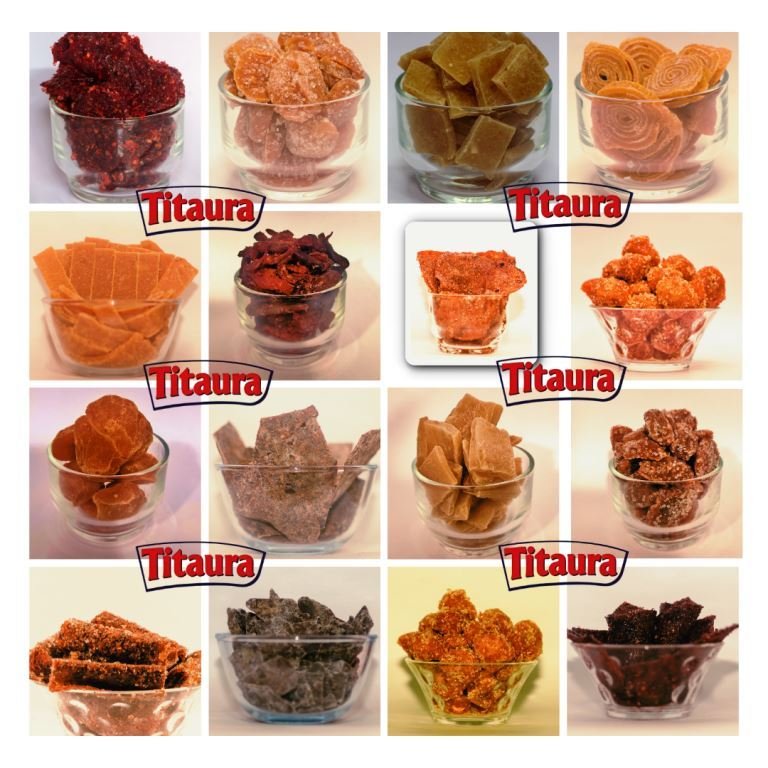
 | Exploring the 11 Flavours of TitauraTitaura is more than just a snack—it’s a burst of nostalgia and flavor for anyone who’s grown up in Himalayan region or experienced its vibrant food culture. Made primarily from lapsi (Himalayan hog plum), Titaura blends sweet, salty, spicy, and tangy elements into chewy, irresistible bites. Over the years, Titaura makers have developed an array of flavours to suit every taste preference. Let’s dive into 11 of the most beloved Titaura flavours, each bringing a unique sensation to your palate.  1. Lapsi Piro TitauraThe classic and most popular variant, lapsi piro balances the natural tartness of hog plum with a strong kick of chili and salt. It’s tangy, spicy, and awakens all your senses. 2. Bechi Patta TitauraLoved for its thin, chewy texture and intense flavour, bechi patta is made using special lapsi extract and extra spices, creating a snack that’s both nostalgic and mouthwatering. 3. Chatpat Masala TitauraIf you crave something extra zesty, chatpat masala Titaura is for you. It features a lively spice mix of chili, cumin, and black salt, giving it a bold, masala-forward punch. 4. Guliyo Patta (Sweet) TitauraFor those with a sweet tooth, guliyo patta swaps out the chilies for extra jaggery or sugar, transforming Titaura into a chewy, sweet treat while still preserving lapsi’s signature tang. 5. Nunilo Kagati (Salty-Lemon) TitauraThis variant amps up the salt with a squeeze of lemony freshness. Nunilo Kagati Titaura is perfect for those who prefer a sharp, citrus-infused tang. 6. Mango Jhol TitauraA juicy, tangy option, Mango Jhol infuses rich, ripe mango flavour into a sticky, semi-liquid (jhol) form that’s both sweet and sour—an absolute treat for mango lovers. 7. Imli Guliyo (Sweet Tamarind) TitauraBlending the natural tartness of tamarind with sugar and spices, Imli Guliyo delivers sweet-and-sour richness in every bite, making it a popular alternative to lapsi-based Titaura. 8. Lamo Chatpat TitauraTranslating to “long spicy,” Lamo Chatpat features elongated, chewy pieces infused with robust spices. This variety stands out for its uniquely fun shape and fiery aftertaste. 9. Amla Piro TitauraGooseberry (amla) is known for its health benefits and sour notes. Amla Piro Titaura combines dried amla with chilies, creating a potent, healthy, and tangy snack. 10. Charpate Masala TitauraCut into irregular, bite-sized chunks, Charpate Masala upgrades the snack’s signature piro flavor with extra masala seasoning for a complex taste experience. 11. Lapsi Candy TitauraFor a softer bite, lapsi candy is less spicy, more sugary, and presented in fun, candy-like balls—perfect for younger Titaura fans or those who want a sweeter finish. Why is Titaura So Beloved?
Whether enjoyed on its own or shared among friends, Titaura is a symbol of Himalayan street food magic. Try these 11 flavors to discover your favorite—or let the variety surprise you with every bite! | |||||||
 | Titaura Combo 5 Flavours –
Please check more your favorite one here from us | |||||||
| |
Please check more your favorite one here from us
| |||||||
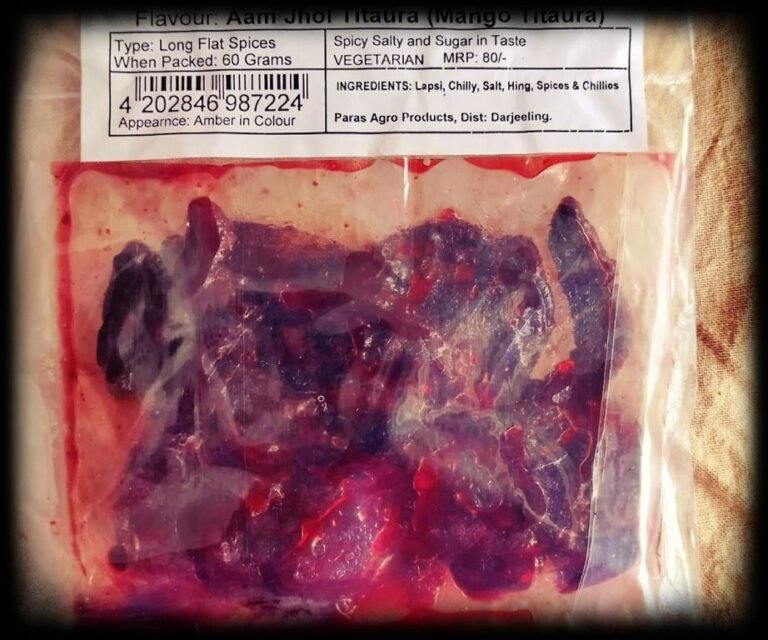 | Aam Jhol Titaura Mango Titaura (6 Packets) Aam Jhol Titaura & Mango Titaura: A Tangy Delight from Darjeeling region When it comes to unique and flavorful snacks, Darjeeling has a treasure trove of traditional treats that tantalize the taste buds. Among these, Aam Jhol Titaura and Mango Titaura stand out as beloved delicacies enjoyed by people of all ages. These tangy, sweet, and sometimes spicy snacks offer a burst of flavor that is hard to resist. In this blog, we will delve into the origins, preparation, health benefits, and why these iconic Nepali snacks are gaining popularity worldwide. What is Aam Jhol Titaura and Mango Titaura?Titaura refers to a traditional Nepali snack made from dried fruit pulp mixed with various spices and seasonings. While titaura can be made from a variety of fruits, mango-based versions like Aam Jhol Titaura and Mango Titaura are particularly popular.
The Origins of Aam Jhol TitauraAam Jhol Titaura has its roots deeply embedded in Nepalese culinary traditions. For centuries, Nepalese households have been preserving seasonal fruits by turning them into titaura. This not only extended the shelf life of fruits but also provided a flavorful snack that could be enjoyed year-round. Mango, being a seasonal fruit, became a favorite base due to its natural sweetness and versatility. How is Aam Jhol Titaura Made?The process of making Aam Jhol Titaura is both simple and intricate. Here is a step-by-step breakdown of how this delightful treat is prepared:
Why is Aam Jhol Titaura So Popular?
Health Benefits of Mango TitauraWhile Aam Jhol Titaura is a treat for the taste buds, it also offers several health benefits when consumed in moderation:
However, due to added sugar and salt, it is best to enjoy titaura in moderation. How to Enjoy Aam Jhol TitauraAam Jhol Titaura can be enjoyed on its own as a quick snack or paired with other treats. Here are some fun ways to savor it:
Where to Buy Authentic Aam Jhol TitauraWith the rising popularity of Nepali snacks, Aam Jhol Titaura is now available not just in local markets but also online. Several Nepalese stores and e-commerce platforms offer authentic versions, ensuring that you can enjoy this tangy delight no matter where you are in the world. Final ThoughtsAam Jhol Titaura and Mango Titaura are more than just snacks – they are a flavorful representation of Darjeeling’s rich culinary culture. Whether you crave something sweet, sour, spicy, or all three, these treats promise to satisfy your taste buds. So, the next time you want to experience a taste of Darjeeling, reach for a pack of Aam Jhol Titaura and savor the tangy goodness! Have you tried Aam Jhol Titaura or Mango Titaura? Share your experience in the comments below! | |||||||
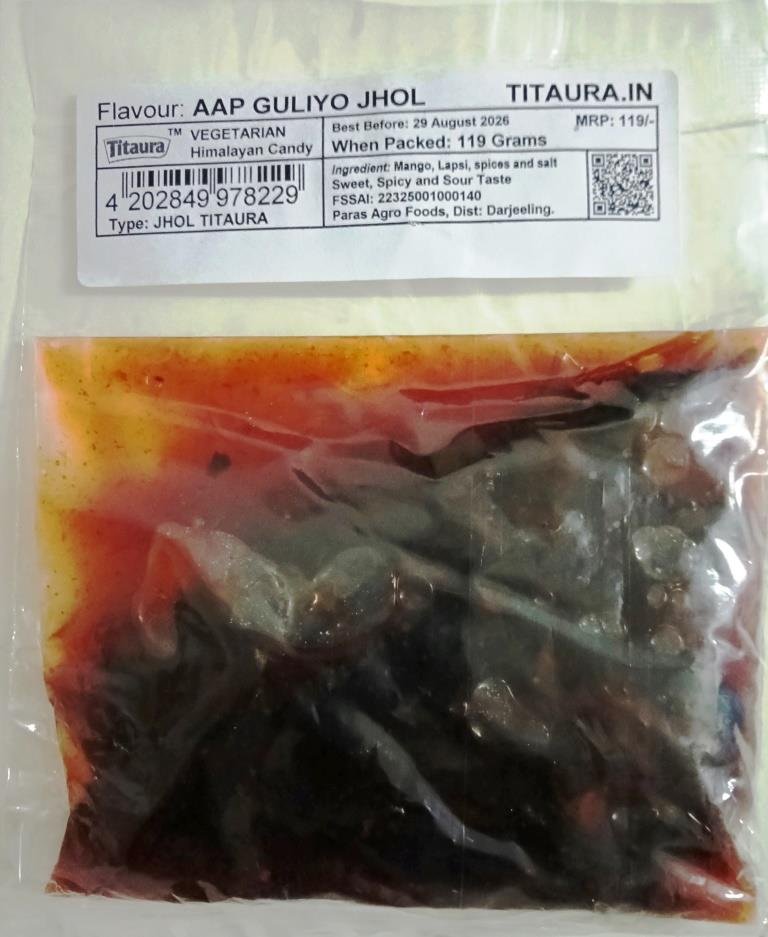 | Aap Guliyo Jhol TitauraThe bittersweet soul of the hills, wrapped in mango, sunlight, and memory. There are foods that feed the body, and then there are foods that feed something deeper — that pull you by the collar back to a specific afternoon, a specific courtyard, a specific laugh. Aap Guliyo Jhol Titaura is that kind of food. Ask anyone who grew up in the Himalayan hill communities — across Darjeeling, Sikkim, the Terai plains, or the high mountain towns further north — and watch their face change at the mention of titaura. It is not merely a snack. It is a sensation, a philosophy even, compressed into a small, sticky, sun-dried medallion of preserved mango. Among all the varieties of titaura that exist — and there are many — Aap Guliyo Jhol Titaura holds a particularly beloved place. The name itself tells you almost everything: aap means mango, guliyo means sweet, jhol refers to a liquidy or syrupy consistency, and titaura is the preserved, dried, or semi-dried fruit preparation that has been a cornerstone of Himalayan culinary tradition for generations. What is Titaura?Titaura is the beloved category of tangy, spiced fruit leather or preserved fruit preparation from the hills. Made from fruits like mango, lapsi (Himalayan hog plum), amala (Indian gooseberry), and even tomato, titaura is seasoned with a complex blend of spices — dried red chili, timur (Sichuan pepper), salt, and sometimes tamarind or black salt — then dried in the sun until it reaches the desired consistency. Sour, Sweet, Spicy, Tangy and Complex Flavour. The genius of titaura lies in this layering of flavors. There is no single note — it is a chord. The sourness of the fruit, the heat of the chili, the numbing tingle of timur, the earthiness of salt, and then — in the case of guliyo varieties — a swell of sweetness that rounds it all out. It hits every part of the palate, often simultaneously. The “Guliyo Jhol” differenceWhile many titauras are dry, firm, or leathery, the jhol (syrupy) variety occupies a special sensory category. Aap Guliyo Jhol Titaura is made from ripe, sweet mangoes whose pulp is cooked down with spices and sugar into a thick, glossy, semi-liquid concentrate. It is then either sold in small packets as a sauce-like condiment or semi-dried into a soft, almost jam-like piece. The texture is part of the experience — sticky against the fingers, yielding between the teeth, leaving a warm-spiced sweetness that lingers long after the mango is gone. Children eat it straight. Teenagers eat it with stolen furtiveness behind school gates. Adults eat it with a kind of nostalgic deliberateness, savoring each bite as if recovering something lost. Key ingredients
A street food turned cultural iconTitaura was born from the ingenuity of preservation. Before refrigeration, households in the hills sun-dried and spiced fruits to extend their shelf life through long winters. What began as practical preservation evolved into an art form, each household and region developing its own signature recipe, its own ratio of sweet to sour to fiery. Today, Aap Guliyo Jhol Titaura is as much a commercial staple as a homemade tradition. Market stalls in hill towns are lined with vendors selling it in small plastic packets, often hand-crafted in modest home kitchens. Brands have emerged. Packaging has improved. But the best versions — the ones people seek out and travel for — are still the ones made by hands that have been doing it for decades, by women in open courtyards who know by instinct exactly when the mango has reduced to the right consistency, when the timur has bloomed enough, when the whole thing is ready to be pressed flat and laid under the afternoon sun. Every bite of titaura carries the memory of a school tiffin box opened at recess, a coin clutched on the way to the nearest pasal, a grandmother’s hands folding paper around a sticky amber square. Making it at homeHome preparation of Aap Guliyo Jhol Titaura requires patience more than skill. Ripe mangoes are peeled, deseeded, and blended into a smooth pulp. This pulp is cooked over low heat with sugar until it thickens considerably, then spices are added — timur, red chili powder, salt, and sometimes a pinch of turmeric for color and warmth. The mixture is spread onto flat trays or banana leaves and left in the sun for one to several days, depending on the desired consistency. The jhol variety is removed from drying earlier, while it still retains some soft, syrupy quality. Cut into small pieces, it can be stored in airtight containers for weeks — or consumed within minutes, which is the far more common outcome. More than a snackWhat makes Aap Guliyo Jhol Titaura worth writing about — worth celebrating — is not just its taste, extraordinary as that taste is. It is what it represents: a food that emerged from necessity and became pleasure, that belongs to no particular class or occasion, that is as at home on a festival table as tucked into a schoolchild’s pocket. It is democratic, generous, and gloriously excessive in its flavor. It is also a reminder that the culinary traditions of the Himalayan hills — so often overlooked in global conversations about food — carry their own profound depth, their own vocabulary of taste, their own way of transforming humble fruit and sunlight into something unforgettable. So the next time you come across a small amber packet of Aap Guliyo Jhol Titaura, don’t hesitate. Open it. Let the smell reach you first — sweet mango and sharp spice in the same breath. Then eat it the way it was meant to be eaten: all at once, with full attention, and a willingness to be surprised. "In the hills, the sour and the sweet do not compete — they conspire. Titaura is their treaty."
| |||||||
 | Aap Jhol Titaura Sweet Mango Candy Titora (3 Packets)Aap Jhol Titaura Hot Sweet Mango Candy Titora. Aap Jhol Titaura is made from Mango mixed with salt, sugar chili, and spices. Titaura is a highly popular food in Nepal as a snack, usually made with fruits. It is a favorite among teens and adults. Aap Jhol TitauraAap Jhol Titaura is made from Mango mixed with salt, sugar chili, and spices.
Every item has its own designated season, whether it’s ice cream or woolen clothes. Seasons have a way of influencing the assortment of flavors available. However, there is an exception for the mouth-watering, tangy, sweet, and sour food known as ‘paun’ or ‘titaura’. Aap Jhol TitauraWith its unique combination of sweetness and acidity, titaura holds a special place in people’s hearts, prompting them to travel great distances to satisfy their cravings. Puja Thapa is one such enthusiast who embarks on a journey from Kathmandu to Bhaktapur upon hearing that she can indulge in some of the finest titauras available there. “As summer approaches, my desire for titaura intensifies. I have eagerly awaited the season to explore new flavors this time,” Thapa shares. But why titaura? When people are asked why they love eating titaura, most often their response is simply “for the taste.” However, titaura also offers certain benefits to the human body. Some titauras contain citric acid, which is advantageous for our well-being. Among the various titaura options that we yearn for, such as Guliyo, lapsi, aap, and aamala, the most popular one is aap, according to Dinesh Hada, the owner of a paun shop in Bhaktapur Durbar Square. When asked about the reason behind its widespread popularity among titaura enthusiasts, Hada explains, “Aap ko paun has been available in the market for many years, unlike other flavors that have comparatively shorter histories. I believe that’s why people love it the most.” He further adds, “There are people who travel specifically to his shop just to buy the mango-flavored titaura.”
| |||||||
 | Amala Candy Chatpat Titaura (5 Packets) The Tangy Tale of Titaura: A Nepali Treat You Need to Know If you’ve ever wandered the bustling streets of Darjeeling or ventured into a Himalayan grocery store, you’ve likely encountered a colorful, puckered, and intensely flavorful snack known as “Titaura.” But what exactly is it, and why is it so beloved? Let’s delve into the fascinating world of this unique Nepali treat. What is Titaura? Titaura is a traditional Nepali snack made primarily from dried fruits, typically plums (Lapsi), apricots, mangoes, or amla (Indian gooseberry). The fruits are sun-dried and then mixed with a blend of spices, salt, sugar, and sometimes chili powder. The result is a chewy, intensely tangy, sweet, and often spicy confection that stimulates the taste buds like nothing else. The Magic of Lapsi: One of the most popular types of Titaura is made from Lapsi, a small, sour plum native to Himalayas. These plums possess a unique tartness that forms the foundation of Titaura’s distinctive flavor profile. Lapsi Titaura is particularly cherished for its ability to cut through the richness of other Nepali dishes, acting as a refreshing palate cleanser. The Art of Preparation: The preparation of Titaura is a time-honored tradition. The fruits are first dried under the scorching sun, which concentrates their natural sugars and intensifies their flavors. Once dried, they are mixed with a precise blend of spices. The spice mix, often referred to as “masala,” varies from region to region and even from household to household. Common spices include:
The mixture is then kneaded and shaped into various forms, such as small balls, flat discs, or long strips, before being dried again to achieve the desired chewy texture. A Cultural Staple: Titaura is more than just a snack in Nepal; it’s a cultural staple. It’s enjoyed by people of all ages and is often offered to guests as a sign of hospitality. You’ll find it sold by street vendors, in small shops, and in larger supermarkets. It’s a common sight during festivals and celebrations. Why is it so Popular?
Where to Find Titaura: If you’re looking to try Titaura, you can find it in:
A Word of Caution: Titaura can be quite intense, so it’s best to start with a small piece and gradually increase your intake. Also, be mindful of the sugar and salt content, especially if you have dietary restrictions. In Conclusion: Titaura is a delightful and unique Nepali snack that offers a burst of flavor in every bite. Its combination of sweet, sour, salty, and spicy notes, along with its cultural significance, makes it a must-try for anyone interested in exploring the diverse culinary landscape of Darjeeling. So, next time you come across Titaura, don’t hesitate to give it a try. You might just discover your new favorite snack! | |||||||
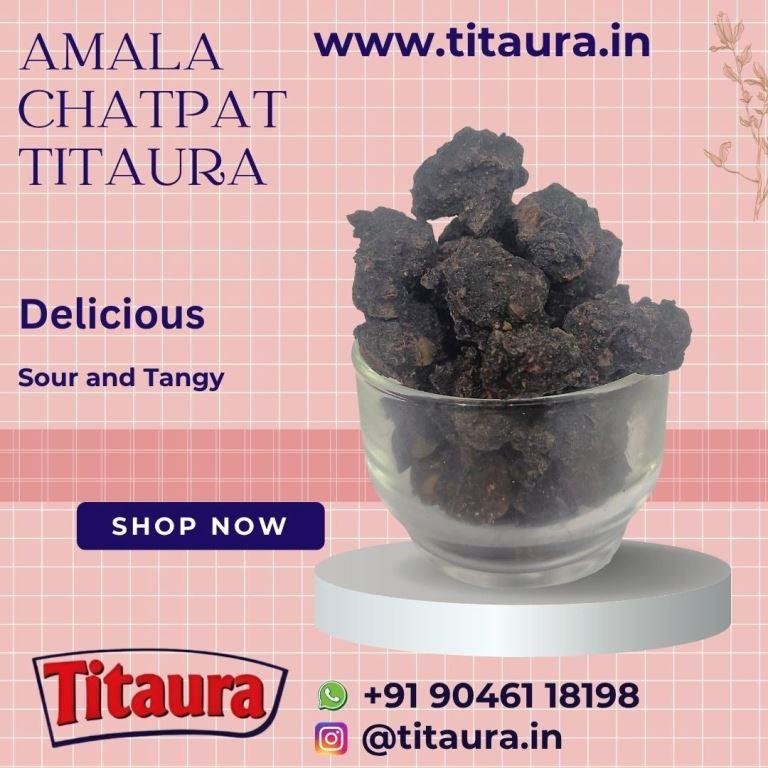 | Amala Chatpat Titaura: The Tangy Delight What makes Amala Chatpat Titaura genuinely extraordinary is the sequence of sensations it delivers — not all at once, but in a precise, layered order that unfolds over thirty seconds or more on the palate. The first contact brings an immediate, sharp sourness — the raw, almost citric acid punch of the amala that makes the eyes water slightly and triggers instant salivation. Within two seconds, the surface masala hits: the sulfurous mineral note of black salt, the earthy warmth of cumin, and the coarse texture of chili flakes becoming apparent. Then comes the timur — arriving a beat later than the chili, its distinctive numbing tingle spreading across the front of the tongue and lips, accompanied by its characteristic lemon-woody aroma that rises into the nasal passages. At roughly the same moment, the sweetness of the sugar or jaggery surfaces, smoothing the sharp edges of the sour and salty notes. The final phase — the aftertaste — is where amala performs its famous trick. As saliva mixes with the remaining flavors, a distinct sweetness emerges from the amala itself, transforming what began as an assault of sourness into something strangely mellow and satisfying. This natural sweetening phenomenon, well known in Ayurvedic tradition, is why amala candy is so compulsively re-eaten. The total experience from first bite to final aftertaste is what hill communities call chatpat — and it is precisely this quality that no other titaura variety fully replicates. | |||||||
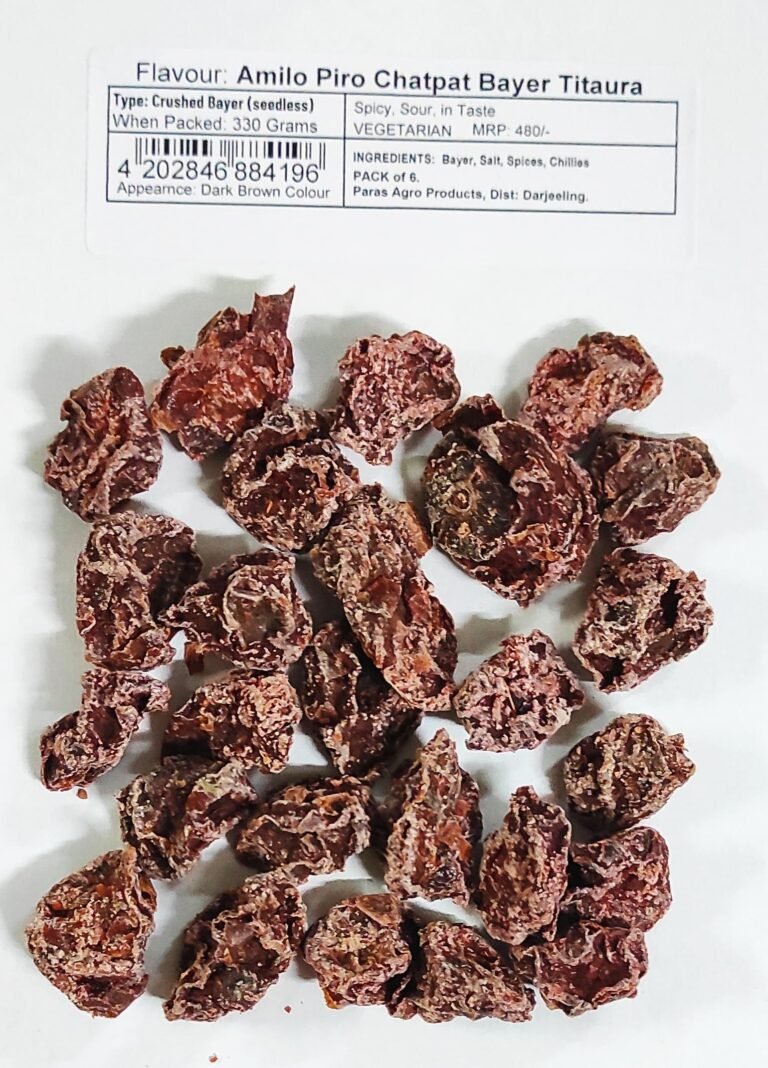 | Amilo Piro Chatpat Bayer Titaura Amilo Piro Chatpat Titaura is a traditional Himalayan snack, primarily popular in North east India. Known for its intense flavor profile—Amilo (sour), Piro (spicy), and Chatpat Masala (tangy/savory) it is typically made from the pulp of the Lapsi (Himalayan Hog Plum) or sometimes mango and amla. These snacks are prized for their unique chewy or leathery texture and are often consumed as a digestive aid or a bold, flavorful treat. Popular Titaura VarietiesVarious formats of Titauras are available, ranging from flat sheets to small chunks, each offering a slightly different experience of the classic spicy-sour heat. | |||||||
 | Amilo Piro Tukra Titaura: Tangy-Spicy Delight You Can’t Miss IntroductionIf you’ve ever wandered through the bustling streets of Darjeeling or explored the colorful shops of Chowrasta Bazaar in Darjeeling, you might have encountered a local favorite—Amilo Piro Tukra Titaura. Please check more your favorite one here from us This tantalizing snack, known for its perfect balance of tangy (amilo), spicy (piro), and chewy (tukra) flavors, is a beloved treat among all ages. In this blog, we’ll dive into what makes Amilo Piro Tukra Titaura so special, its origins, health benefits, and how you can enjoy this unique delicacy at home. What is Amilo Piro Tukra Titaura?Amilo Piro Tukra Titaura is a traditional Himalayan snack made by preserving fruits like lapsi (hog plum), amla (Indian gooseberry), or mango. The term “Amilo” means sour, “Piro” means spicy, and “Tukra” refers to small pieces, while “Titaura” is the generic term for fruit-based preserved snacks in Himalaya. These dried fruit pieces are coated with a blend of spices, salt, and sugar to create a chewy, tangy, and spicy delight that’s hard to resist. Key Characteristics:
The History and Popularity of TitauraThe tradition of making Titaura dates back centuries in the hilly regions of Darjeeling, where locals preserved fruits for off-seasons by drying and flavoring them. Among various types of Titaura, the Amilo Piro Tukra variant became particularly popular due to its bold flavors. What started as a home-based practice soon spread across Darjeeling, becoming a must-have snack sold in street markets, school canteens, and even exported internationally. How Amilo Piro Tukra Titaura is MadeMaking Amilo Piro Tukra Titaura is a labor of love. Here’s a step-by-step look at the process:
Health Benefits of Amilo Piro Tukra TitauraThis snack isn’t just about exciting your taste buds; it also comes with several health benefits:
Popular Variants of TitauraWhile Amilo Piro Tukra Titaura is a fan favorite, Himalyan has other variants worth trying:
Where to Buy Authentic Amilo Piro Tukra TitauraIn Himalayan, you can find Amilo Piro Tukra Titaura at:
How to Enjoy Amilo Piro Tukra Titaura
How to Make Amilo Piro Tukra Titaura at HomeIngredients:
Instructions:
Why Amilo Piro Tukra Titaura is Loved by AllThe popularity of this snack can be attributed to its unique blend of flavors, portability, and the nostalgia it brings for who grew up buying it from local shops. Its perfect balance of sour, spicy, and sweet ensures that once you start, it’s hard to stop! ConclusionAmilo Piro Tukra Titaura is more than just a snack; it’s a burst of flavors that captures the essence of Darjeeling’s rich food culture. Whether you’re a fan of spicy foods or love exploring traditional delicacies, this treat is a must-try. So, next time you’re in Darjeeling or spot it online, grab a pack and enjoy the tangy-spicy goodness! FAQs About Amilo Piro Tukra Titaura 1. Is Amilo Piro Tukra Titaura vegan-friendly? 2. Can diabetics eat Titaura? 3. How to store Titaura? Indulge in the tangy-spicy world of Amilo Piro Tukra Titaura and savor a taste of Himalaya! 🌶️🍋😋 |
List with description
Filters Sort results
Reset Apply