
 | ||||||
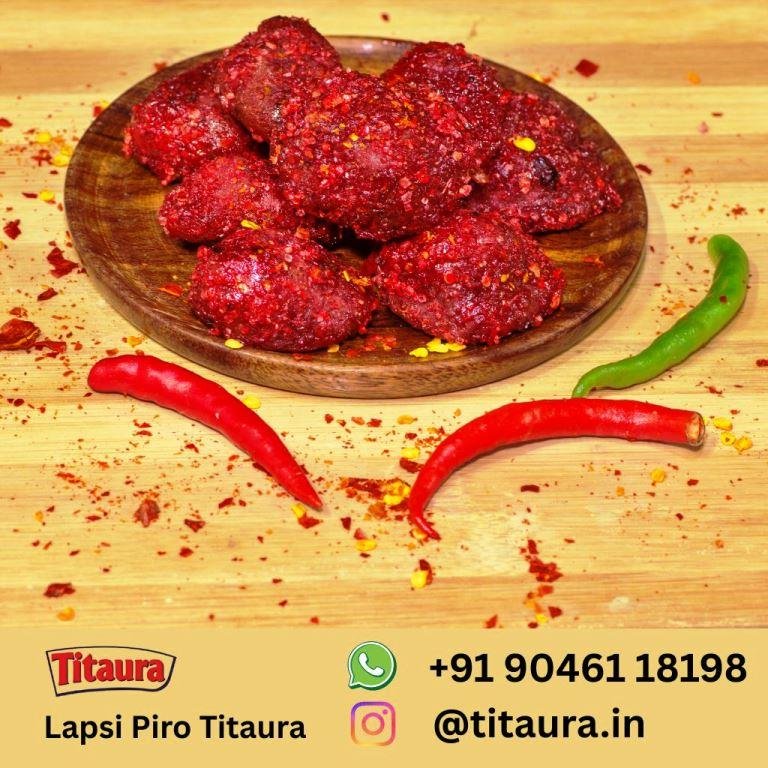 | Lapsi Piro Titaura (6 Packets)🌿 Lapsi Piro Titaura: The Spicy Soul of the Eastern HimalayasWhen a wild hill fruit meets fire and spice — something truly unforgettable is bornThere are snacks, and then there are snacks that carry an entire culture within them. Lapsi Piro Titaura belongs firmly in the second category. It is one of the oldest, most cherished, and most deeply rooted treats of the Eastern Himalayan hills — a small, chewy, fiery piece of edible heritage that has been passed from one generation to the next across the misty slopes of Darjeeling and the surrounding hill regions for centuries.If you’ve never tried it, consider this your introduction. If you grew up eating it — well, you already know exactly what we’re talking about.What is Lapsi?Before we talk about the Titaura, we must talk about its heart and soul — Lapsi (Choerospondias axillaris), the Himalayan hog plum.Lapsi is a small, wild fruit native to the mid-hill forests of the Eastern Himalayan region. It is unassuming in appearance — pale green, slightly oval, and humble looking. But bite into one and you’re immediately hit by a wave of intense tartness that is entirely its own. It is astringent, deeply sour, and wonderfully complex in flavour — unlike anything you’ll find in a supermarket fruit aisle.Rich in Vitamin C and natural antioxidants, Lapsi has been treasured in Eastern Himalayan communities not just as a fruit, but as a medicinal ingredient and a culinary cornerstone. It ripens in autumn, filling the hill markets with its sharp, fruity fragrance, and the tradition of preserving it through drying and spicing is what gave birth to Titaura as we know it.What is Lapsi Piro Titaura?Lapsi Piro Titaura is a traditional dried fruit confectionery made from the pulp of the Lapsi fruit, blended with a robust mix of red chilli powder, black salt, sugar, and warming hill spices. The word “Piro“ means spicy in the local tongue — and this variety doesn’t shy away from that promise.The result is a chewy, intensely flavoured treat that hits you with sour, spicy, salty, and sweet notes almost simultaneously. It is bold without being overwhelming, and fiery without losing the natural depth of the Lapsi fruit underneath.Lapsi Piro Titaura sits at the spicier end of the Titaura family, making it a favourite among those who love a serious kick alongside their tang. It’s the kind of snack that makes your eyes water just a little — and then has you reaching for another piece anyway.A Tradition Born from the HillsThe story of Lapsi Piro Titaura is inseparable from the story of Eastern Himalayan food culture itself.In the hill communities of Darjeeling, Kalimpong, Sikkim, and the surrounding regions, preserving seasonal fruits for the off-season was not a luxury — it was a necessity. The Lapsi fruit, abundant in autumn and unavailable for much of the year, was carefully harvested, boiled, de-seeded, and preserved using salt, spices, and the generous warmth of the mountain sun. This ancient preservation practice, refined over generations, eventually gave rise to the beloved art of Titaura-making.What began as a practical household tradition gradually found its way into local markets, school canteens, roadside tea stalls, and the pockets of children across the hills. Lapsi Piro Titaura, with its bold, unforgettable flavour, became one of the most sought-after varieties — a rite of passage for anyone who grew up in the Eastern Himalayan foothills.How is Lapsi Piro Titaura Made?The preparation of Lapsi Piro Titaura is a patient, hands-on process that honours the old ways:Selecting the Lapsi: Only the ripest, most flavourful seasonal Lapsi fruits are chosen. The quality of the fruit directly determines the depth of the final product.Boiling and pulping: The fruits are boiled until soft, then de-seeded. The flesh is mashed into a thick, smooth pulp that retains all of the fruit’s natural tartness.Spice blending: Red chilli powder, black salt (kala namak), sugar, ginger powder, and Timmur (Himalayan Sichuan pepper) are blended into the pulp. Each maker has their own proportion — a closely guarded recipe passed down through families.Sun-drying: The spiced pulp is spread thinly on flat trays and left to dry under the open Eastern Himalayan sun for several days. This slow drying concentrates the flavours and creates the signature chewy texture.Cutting and packing: Once dried to the perfect consistency, the Titaura is cut into pieces and packed — ready to deliver that unmistakable burst of flavour to whoever is lucky enough to open the packet.No artificial colours. No preservatives. Just fruit, spice, sun, and time.The Flavour ExperienceEating Lapsi Piro Titaura is a full-sensory event. The moment it hits your tongue, you get the deep, natural sourness of the Lapsi. Then comes the salt — earthy and grounding. Then the chilli builds steadily, warming the back of the palate with a satisfying, lingering heat. A gentle sweetness weaves through it all, stopping it from tipping over the edge, and leaving you with a finish that’s both refreshing and deeply moreish.It’s complex for something so small. It’s honest for something so bold. And it’s completely, utterly addictive.Why Lapsi Piro Titaura is So BelovedRooted in nostalgia. For anyone who grew up in the Eastern Himalayan hills, Lapsi Piro Titaura is woven into memory. It’s the taste of school breaks, monsoon afternoons, market days with grandparents, and long bus rides through winding mountain roads.Genuinely natural. In a world of processed snacks and artificial flavours, Lapsi Piro Titaura is refreshingly real — made from a single wild hill fruit, dried by the sun, and seasoned with spices that have been used in these hills for generations.Good for the body. The natural acids in Lapsi support digestion and stimulate appetite. The spices — particularly black salt and ginger — carry their own traditional health benefits, making this one of those rare treats that is as wholesome as it is delicious.Impossible to stop at one. This needs no further explanation. Anyone who has opened a packet of Lapsi Piro Titaura will confirm it.How to Enjoy ItLapsi Piro Titaura is… | |||||
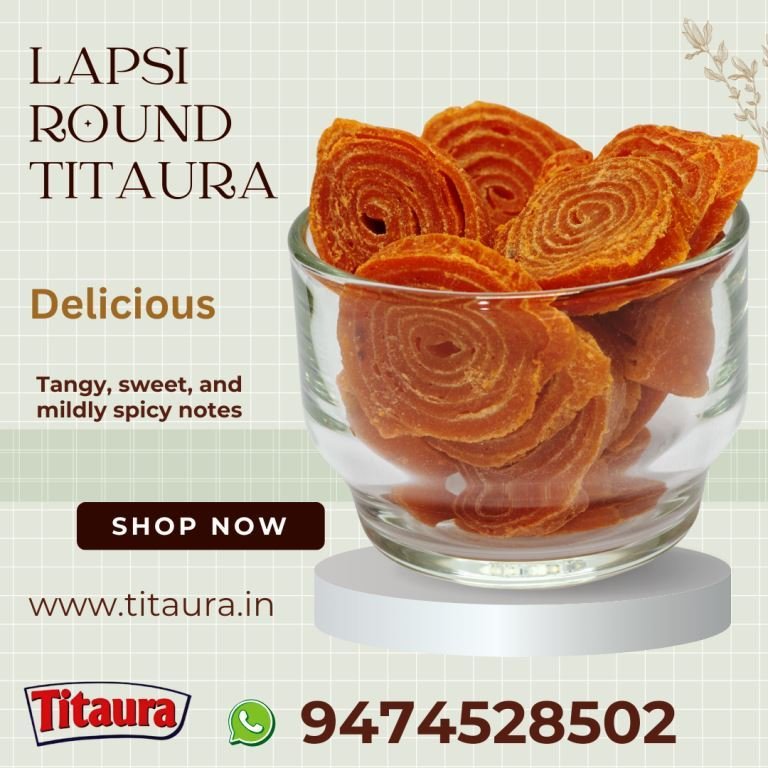 | 🍬 Lapsi Round Candy Titaura – A Timeless Himalayan Treat in Every BiteRelive the bold, nostalgic flavors of the Himalayas with Lapsi Round Candy Titaura, a classic Nepali confection made from lapsi (Nepali hog plum). Loved across Nepal, Sikkim, Darjeeling, and the North-East, this iconic round candy delivers a perfect harmony of tangy, sweet, and mildly spicy notes—crafted to awaken your taste buds and your memories. 🌿 What Makes Lapsi Round Candy Titaura Special?Lapsi Round Candy Titaura is prepared using carefully selected lapsi fruit, slow-cooked and blended with traditional spices to achieve its distinctive flavor and chewy texture. Rolled into neat, round candies, each piece is a burst of authentic Himalayan taste.
😋 Taste That Stands OutThe first bite greets you with a pleasant sour punch, followed by gentle sweetness and a subtle spice kick that lingers. Unlike ordinary candies, Lapsi Round Candy Titaura offers a layered taste experience that keeps you coming back for more. 🏔️ Rooted in Himalayan CultureLapsi-based treats have long been a staple in Nepali households, school snack boxes, and local markets. Lapsi Round Candy Titaura carries this heritage forward—connecting generations through flavor and tradition. 🎒 Perfect for Every Occasion
Its compact round shape makes it easy to carry and enjoy anytime, anywhere. 📦 Product Highlights
💚 Why Choose Our Lapsi Round Candy Titaura?✔ Authentic Himalayan taste ✨ Experience the True Taste of LapsiBring home the irresistible charm of Lapsi Round Candy Titaura and enjoy a candy that’s more than just sweet—it’s a flavorful journey to the Himalayas. | |||||
 | ||||||
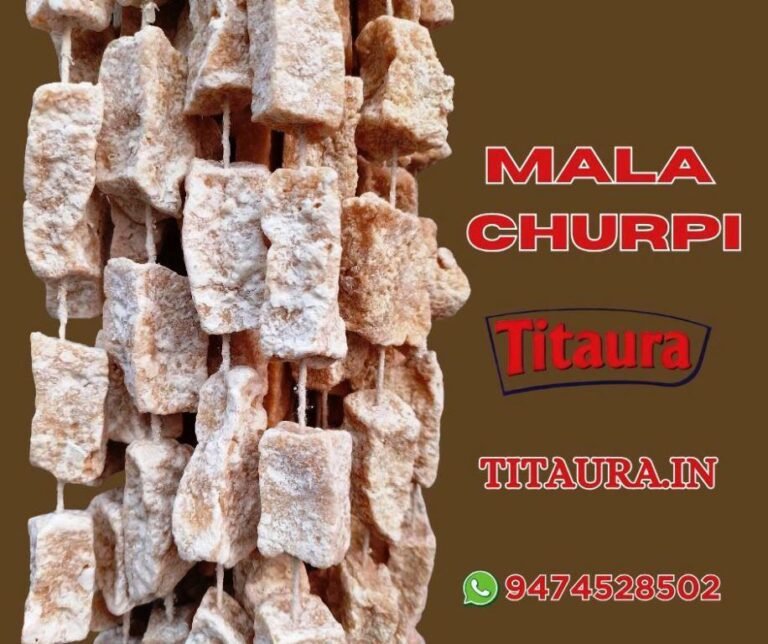 | ||||||
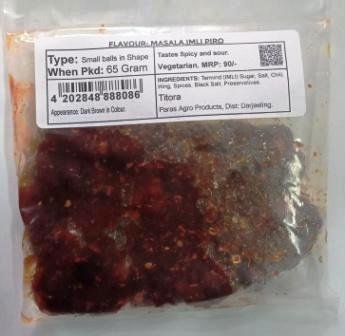 | Masala Imli Piro TitauraThe Beloved Spiced Tamarind Candy of the Northeast Himalayan FoothillsIntroductionAlong the misty foothills and vibrant market lanes of the northeast Himalayan regions of India — stretching from the Himalayan hills through Sikkim and into the lower valleys of Assam and Arunachal Pradesh — there exists a humble yet iconic treat that has charmed generations of snack lovers. Known locally as Piro Titaura, the spiced tamarind version, Masala Imli Piro Titaura, stands as one of the most cherished tangy-spicy confections of this mountain belt.Traditional Snack CultureThe word titaura itself evokes a deeply nostalgic feeling among people of this region — it is the sound of childhood, of school tiffin breaks, of bustling bazaars filled with the aroma of dried spices and tamarind. Piro means “spicy” in the local tongue, and this variety, fortified with the tartness of imli (tamarind), is the most popular of them all.Historical and Cultural RootsThe art of making titaura is believed to have been practiced for centuries across the Himalayan foothills, with its origins rooted in both indigenous food preservation techniques and cross-cultural trade influences. The northeast Himalayan regions of India, with their unique blend of Tibetan, Lepcha, Gorkha, Sikkimese, and Assamese culinary traditions, created the perfect cultural soil for this candy to evolve.Tamarind, while not native to the Himalayan highlands, found its way into this region through the ancient trade routes that connected the plains of Bengal and Bihar with the mountain communities. Local artisans began combining tamarind pulp with indigenous spices — timur (Sichuan pepper), dried ginger, cumin, black salt, and red chili — giving birth to the distinct masala variant that defines Piro Titaura today.In the hill towns titaura makers — often women working from their homes — became a cornerstone of the local snack economy. Their handcrafted rolls and dried slabs were sold in small packets from roadside stalls, school canteens, and weekly haats (markets), becoming as much a part of the cultural fabric as the local tea gardens themselves.Key IngredientsWhat sets Masala Imli Piro Titaura apart from ordinary tamarind candies is its carefully layered spice profile. Each ingredient plays a distinct role:Imli (Tamarind) The soul of the recipe — provides the signature sourness and sticky texture that binds everything together.Timur (Sichuan Pepper) An iconic Himalayan spice that imparts a tongue-numbing tingle and woody citrus aroma unique to this region.Sukha Khursani (Dried Red Chili) The fire behind the “piro” — ground or whole, it delivers the bold heat that makes this snack addictive.Kalo Noon (Black Salt) Adds a mineral depth and earthy pungency that elevates the overall flavor complexity.Aduwa / Sukheko Aduwa (Dry Ginger) Provides warmth and digestive properties — particularly valued in the cold Himalayan climate.Chini / Gur (Sugar or Jaggery) Balances the sourness with sweetness and helps in binding and preservation.The Traditional Preparation ProcessMaking Masala Imli Piro Titaura is a labor of love that requires patience and a practiced hand. The process begins with soaking raw tamarind pods in warm water until the pulp softens and separates easily from the seeds and fibers. The extracted pulp is then strained to a smooth, thick paste.The masala — a dry blend of timur, red chili powder, black salt, dry ginger, cumin, and sometimes a pinch of turmeric — is freshly ground on a stone mill or in a mortar and pestle. Freshly ground spices are considered essential; pre-mixed commercial blends are frowned upon by traditional makers who believe the aroma dissipates quickly once ground.Sugar or jaggery is cooked with the tamarind paste on a low flame, stirring constantly until it thickens to a pliable, non-sticky consistency. The masala blend is then folded in progressively — not all at once — to ensure even distribution. Some makers add a final dusting of spice powder over the formed titaura pieces for an extra layer of surface heat.The prepared mixture is spread thin on greased trays or banana leaves and left to sun-dry for one to three days depending on weather conditions. Once semi-dried to the ideal chewy texture, it is cut into small rectangles, rolled into spirals, or formed into balls before a final brief sun-drying. The finished product is firm on the outside, chewy within, intensely flavored, and shelf-stable for weeks.Regional Variations Across the Northeast Himalayan BeltWhile the core recipe remains consistent, distinct regional variations have emerged across the northeast Himalayan foothills that reflect local tastes and ingredient availability:Sikkim’s Terai and River Valleys: Makers here occasionally blend local wild plum or lapsi (Choerospondias axillaris) with tamarind, creating a more complex sourness. The sugar content is slightly higher, resulting in a more candy-like sweetness balancing the heat.Assam Foothills: In the lowland-influenced markets near the Himalayan foothills of Assam, titaura makers sometimes incorporate mustard-infused oil as a surface rub, giving it a pungent edge not found elsewhere. The texture is slightly more moist and soft.Arunachal’s Border Markets: Here, wild jungle spices and locally sourced chilies of exceptional heat find their way into the masala blend, producing a version of Piro Titaura that is perhaps the fiercest in the entire region — not for the faint-hearted.Cultural Significance and Social FabricTitaura is far more than a snack in the northeast Himalayan regions — it is a cultural symbol. For many who grew up in these hill communities, the taste of Piro Titaura is inseparable from memories of school days, festival mornings, and the company of grandmothers who kept small tins of it on kitchen shelves.During festivals like Dasain, Tihar, Losar, and Bihu, homemade titaura is often prepared in large quantities and distributed among relatives and neighbors. It features prominently in the informal hospitality of hill households — a piece of titaura offered with tea is a gesture of warmth and welcome.The making and selling of titaura has also been an important source of livelihood for women in the hills. Many small home-based enterprises run by women have grown over the decades into recognized cottage industry units, supplying titaura to towns across the foothills and even to diaspora communities in distant cities who seek a taste of home.Nutritional and Digestive PropertiesBeyond its bold flavor, Masala Imli Piro Titaura has… | |||||
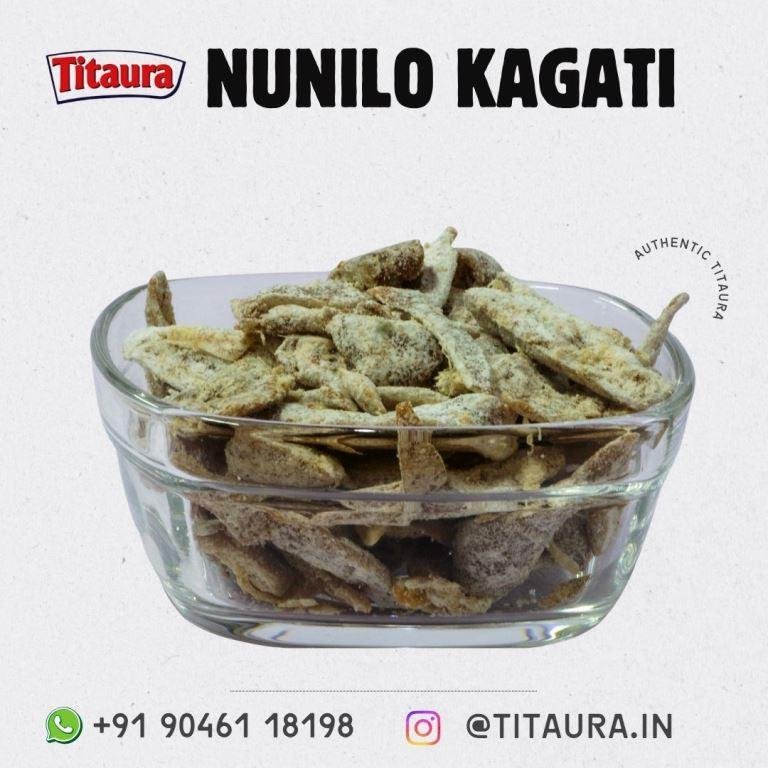 | Nunilo Kagati Titaura: Unearthing the Meaning, Culture, and InfluenceIntroductionIn the ever-expanding digital world, unique keywords and phrases capture our curiosity and spark viral trends. One such phrase that has recently gained attention is Nunilo Kagati Titaura. What does it mean? Where does it originate? And why are so many people searching for it? In this blog, we’ll explore the potential meanings, cultural connections, and growing impact of Nunilo Kagati Titaura. What Does “Nunilo Kagati Titaura” Mean?
Breaking Down the Keyword
So, “Nunilo Kagati Titaura” could be interpreted as a unique or special blend of tart lemon (kagati) and the beloved Haimalyan titaura snack—perhaps referencing a new variety of titaura or a fusion treat, or it could be a playful, imaginative phrase. Cultural SignificanceDarjeeling Snack CultureIn Darjeeling, titaura is much more than just a treat—it’s a part of social gatherings, schoolyard memories, and local commerce. Titaura often sparks nostalgia for childhood days, roadside vendors, and the thrill of spicy, sour flavors bursting in the mouth. Introducing unique fruits or elements, like kagati (lemon), only adds to its diversity. Innovation in TraditionIf we approach “Nunilo Kagati Titaura” as a new product, it mirrors the trend of innovation within tradition—where classic snacks are reinvented with modern flavors or techniques. The name itself could evoke curiosity and anticipation in both local and global food markets. The Viral Trend: Why Is Nunilo Kagati Titaura Popular?
How to Enjoy Nunilo Kagati TitauraIf you’re in Darjeeling or have access to Himalyani grocery stores, try seeking out titaura varieties featuring kagati or lemon flavors. Here’s how locals might enjoy it:
Want a taste at home? Try making your own version: ConclusionWhether “Nunilo Kagati Titaura” is a new product, a clever phrase blending cultural icons, or a trending buzzword, it’s a great reminder of how food, language, and curiosity connect us across borders. Don’t be afraid to explore strange-sounding flavors—they might just become your next favorite snack! What’s your experience with titaura or lemon-based snacks? Have you ever tried anything called Nunilo Kagati Titaura? Share your thoughts in the comments! Frequently Asked Questions (FAQ)Q: Where can I buy Nunilo Kagati Titaura? Q: What does titaura taste like? Q: Is Nunilo Kagati Titaura a real product? If this article sparked your curiosity, follow us for more deep-dives into emerging food trends and cultural phenomena! | |||||
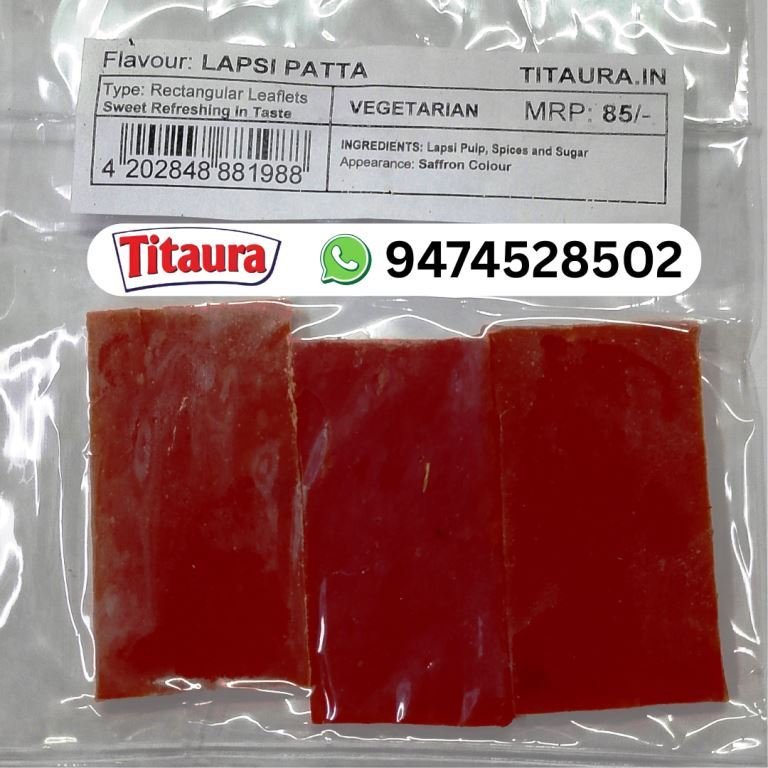
 | Piro Patta Titaura is a popular traditional Himalayan and Darjeeling snack made from dried fruits, typically lapsi (hog plum), mixed with a blend of spices, salt, and chili, known for its distinct spicy, sour, and slightly sweet flavor profile. The name literally translates to “spicy leaf-like titaura“. Description and Flavour profilePiro Patta Titaura has a chewy texture and is characterized by a bold burst of flavors.
Where to Buy Piro Patta Titaura is available online at Titaura.in from retailers specializing in Himalayan treats
| |||||
 | Pura Char Pate Masala Titaura: A Tangy Delight from Darjeeling Table of Contents
1. Introduction to Pura Char Pate Masala TitauraPura Char Pate Masala Titaura is a popular Nepalese snack that has captured the hearts of many with its unique blend of flavors. This tangy, spicy, and slightly sweet treat is a staple in Nepalese households and is enjoyed by people of all ages. In this blog, we will explore the origins, ingredients, health benefits, and ways to enjoy this delightful snack. 2. What is Titaura?Titaura is a traditional Nepalese snack made from dried fruits, typically amala (Indian gooseberry), which is marinated in a mixture of spices, salt, and sometimes sugar. The result is a chewy, flavorful treat that is both refreshing and satisfying. Titaura comes in various flavors, but the Pura Char Pate Masala variant is particularly famous for its bold and complex taste. 3. The Unique Flavor of Pura Char Pate Masala TitauraPura Char Pate Masala Titaura stands out due to its distinctive blend of four primary flavors: sweet, sour, spicy, and salty. The “Char Pate” in its name refers to these four tastes, which are perfectly balanced to create a harmonious flavor profile. The masala (spice mix) used in this titaura includes a combination of traditional Nepalese spices that add depth and complexity to the snack. 4. Ingredients Used in Pura Char Pate Masala TitauraThe key ingredients that make Pura Char Pate Masala Titaura so special include: – Amala (Indian Gooseberry): The base ingredient, known for its tangy flavor and high vitamin C content. – Spices: A blend of traditional spices such as cumin, coriander, chili powder, and black salt. – Salt: Enhances the overall flavor and balances the sweetness. – Sugar: Adds a hint of sweetness to counteract the tanginess of the amala. – Citric Acid: Provides an extra tangy kick. – Preservatives: Used to extend the shelf life of the product. 5. Health Benefits of TitauraDespite being a snack, Pura Char Pate Masala Titaura offers several health benefits: – Rich in Vitamin C: Amala is a powerhouse of vitamin C, which boosts immunity and promotes healthy skin. – Digestive Health: The spices used in titaura, such as cumin and coriander, aid in digestion. – Antioxidant Properties: Amala is rich in antioxidants, which help fight free radicals in the body. – Low in Calories: Titaura is a low-calorie snack, making it a healthier alternative to other processed snacks. 6. How to Enjoy Pura Char Pate Masala TitauraPura Char Pate Masala Titaura can be enjoyed in various ways: – As a Snack: Simply pop a piece into your mouth and savor the burst of flavors. – With Meals: It can be served as a side dish to complement your main meal. – In Chutneys: Crushed titaura can be added to chutneys for an extra tangy flavor. – In Beverages: Some people enjoy adding a piece of titaura to their drinks for a unique twist. 7. Where to Buy Pura Char Pate Masala TitauraPura Char Pate Masala Titaura is widely available in Nepal and can be found in local markets, grocery stores, and online platforms. For those living outside Nepal, several online retailers specialize in Nepalese products and offer international shipping. 8. ConclusionPura Char Pate Masala Titaura is more than just a snack; it’s a cultural experience that brings the flavors of Nepal to your palate. With its unique blend of sweet, sour, spicy, and salty flavors, it’s no wonder that this titaura has become a favorite among many. Whether you’re enjoying it as a snack or incorporating it into your meals, Pura Char Pate Masala Titaura is sure to delight your taste buds. Meta Description: Discover the unique flavors of Pura Char Pate Masala Titaura, a traditional Nepalese snack made from amala and a blend of spices. Learn about its ingredients, health benefits, and how to enjoy this tangy delight. Tags: Pura Char Pate Masala Titaura, Nepalese snack, Titaura, Amala, traditional Nepalese food, healthy snacks, tangy snacks, Nepalese cuisine, Char Pate Masala, Indian gooseberry snack
| |||||
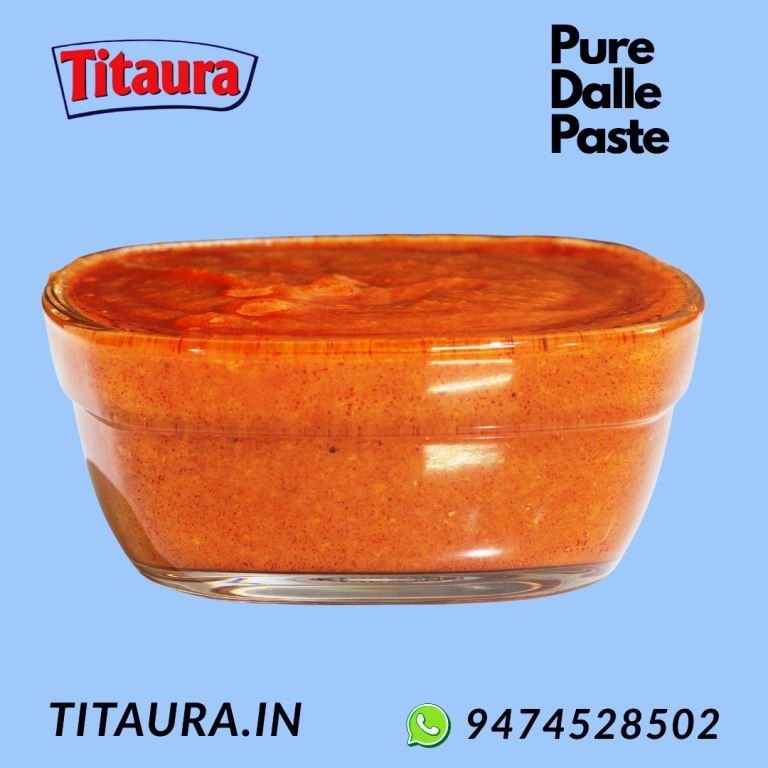 | Pure Dalle Paste is a powerful, authentic chilli paste made exclusively from Dalle chilli (round red chilli), celebrated across the Himalayan region for its intense heat and rich flavour. This paste delivers clean, uncompromising spice with no dilution—crafted for true chilli lovers of Titaura. Product Highlights
Taste Profile Uses
Ideal For |
List with description
Filters Sort results
Reset Apply