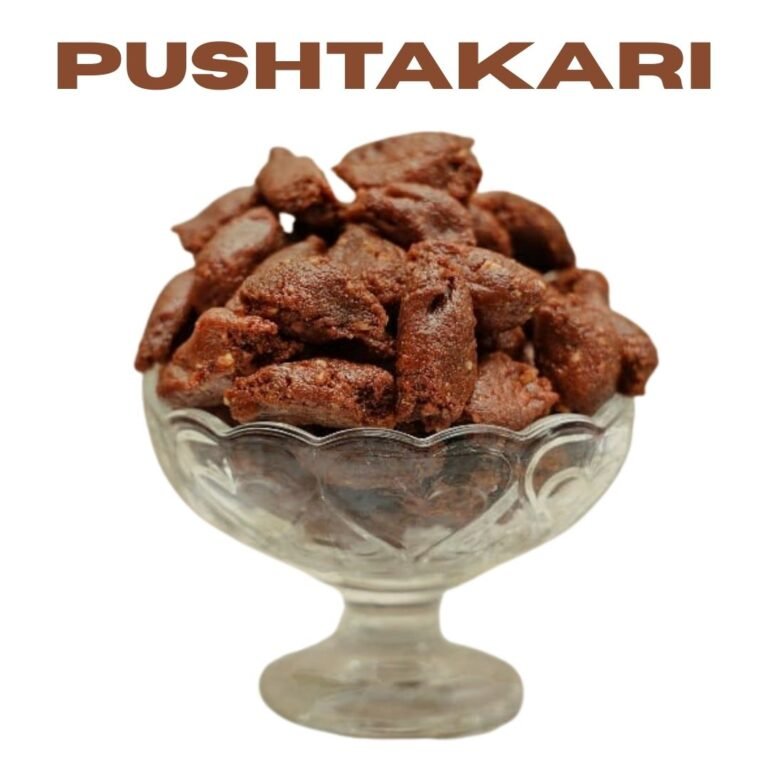
 | Pushtakari: A Sweet Delicacy from the Himalayas Loved by the Nepali CommunityWhen it comes to sweets that carry both flavor and heritage, few match the charm of Pushtakari. Known as a traditional sweet delicacy from the Himalayan regions, Pushtakari has long been a favorite among the Nepali population of Darjeeling, Sikkim, and Nepal.Prepared using khoa (reduced milk), sugar, almonds, and coconut, it is a sweet that blends nutrition with nostalgia. Pushtakari is not just food—it is a part of cultural rituals, family celebrations, and daily indulgence in the hills. Today, as more people seek authentic regional sweets, Pushtakari is gaining recognition outside its native regions.In this blog, we’ll explore what Pushtakari is, its cultural importance, how it is made, health aspects, and why it’s becoming a favorite among food enthusiasts across India and beyond.What is Pushtakari?At its core, Pushtakari is a milk-based sweet made by reducing milk into khoa (mawa) and combining it with caramelized sugar, coconut, and almonds. It is then shaped into bars, squares, or diamonds, depending on local preferences.The name itself carries meaning:“Pusht” in Nepali/Hindi implies strength, nourishment, or sustenance.“Kari” refers to something that is made or prepared.Thus, Pushtakari = a preparation that provides nourishment and delight.Unlike mass-produced sweets, Pushtakari is largely artisanal, often made in local sweet shops or households. Its taste is distinctly milky, nutty, and aromatic, with just the right balance of sweetness.Historical and Cultural Roots of PushtakariA Sweet with Generations of LegacyThe history of Pushtakari is deeply tied to Himalayan culinary traditions. For centuries, families in the hilly regions of Darjeeling and Sikkim prepared this delicacy during festivals, weddings, and special occasions.The Nepali diaspora, who form a large part of the population in these regions, brought with them culinary traditions that emphasized milk-based sweets, dry fruits, and coconut—all symbols of prosperity and celebration.Role in Festivals and CelebrationsPushtakari is especially popular during:Tihar (Deepawali in Nepal) – Prepared as an offering to gods and shared with family and neighbors.Maghe Sankranti – A winter harvest festival where sweets made of milk and sesame are central.Weddings & Social Gatherings – Served as part of the traditional sweet platter.For many Nepali families, no festive celebration is complete without Pushtakari. It is both a treat and a tradition.The Ingredients that Define PushtakariThe beauty of Pushtakari lies in its simplicity—it requires just a few ingredients but delivers extraordinary flavor.Khoa (Mawa) – The base of the sweet, created by slow-cooking milk until it reduces into thick solids.Sugar – Caramelized to perfection, lending both sweetness and a binding texture.Coconut – Fresh or dried, it balances the richness of milk with tropical freshness.Almonds – Slivered or chopped, they add crunch, nutrition, and a premium touch.Optional variations sometimes include cardamom powder for aroma or other nuts like cashews, but the classic Pushtakari remains minimalistic and pure.How Pushtakari is Made: The Traditional MethodThe making of Pushtakari is an art passed down through generations. Unlike factory sweets, it is crafted with patience and care.Step-by-Step Process:Milk Reduction – Full-cream milk is simmered for hours until thick khoa (mawa) forms.Caramelization – Sugar is heated until golden and gently combined with khoa.Mixing – Roasted coconut shreds and almond pieces are folded into the mixture.Setting – The hot mixture is spread onto greased plates or trays.Cutting – Once slightly cooled, it is cut into neat bars, diamonds, or squares.The result is a dense, chewy, and flavorful sweet that melts in your mouth while offering a nutty crunch.Why Pushtakari Holds a Special Place in Nepali CultureFor the Nepali community in Darjeeling, Sikkim, and Nepal, Pushtakari is more than a delicacy—it is an emotional connection to home and heritage.It is given as prasad (sacred offering) during religious rituals.Families gift it during festivals to symbolize goodwill and prosperity.It is often the first sweet offered to guests, reflecting Himalayan hospitality.Many people who grew up in Darjeeling recall buying freshly made Pushtakari wrapped in small paper packets from local bazaar shops. For them, the taste is synonymous with childhood memories.Pushtakari vs. Other Indian SweetsIndia is known for its vast variety of sweets, but Pushtakari stands apart:Regional Identity – While sweets like rasgulla or gulab jamun are widely known, Pushtakari remains a specialty of the Himalayan belt.Balanced Sweetness – Unlike overly sugary sweets, Pushtakari has a subtle sweetness that enhances its flavor.Nutritional Value – The inclusion of khoa, almonds, and coconut makes it relatively more nutritious than many fried sweets.Handmade Tradition – Its artisanal preparation ensures authenticity.Health Benefits of PushtakariWhile sweets should always be enjoyed in moderation, Pushtakari offers certain nutritional benefits:Khoa (milk solids) – Rich in calcium, protein, and healthy fats.Almonds – Packed with vitamin E, magnesium, and antioxidants.Coconut – Boosts energy, aids digestion, and provides dietary fiber.Natural preparation – Unlike heavily processed sweets, Pushtakari often uses fresh, local ingredients.This makes it a healthier alternative to many store-bought, preservative-heavy sweets.Pushtakari in Modern TimesToday, as regional delicacies gain popularity, Pushtakari is moving beyond its traditional boundaries.Darjeeling sweet shops still prepare it fresh for locals and tourists.Online stores are beginning to list it, allowing people to buy Pushtakari online across India.The Nepali diaspora abroad often carries it as a token of home.Its authenticity, nostalgic value, and artisanal charm make it appealing to a global audience looking for unique sweets.Where to Buy PushtakariIf you’re visiting Darjeeling or Sikkim, you can find Pushtakari in local markets and sweet shops. In recent years, some online sellers specializing in Himalayan products have started delivering it to cities across India.When buying online, ensure you choose a seller who:Uses authentic ingredients.Follows traditional recipes.Delivers freshly made batches.Conclusion: Pushtakari as a Symbol of Heritage and FlavorPushtakari is not just a sweet—it is a culinary symbol of the Nepali community in Darjeeling and the Himalayas. Made with khoa, sugar, almonds, and coconut, it reflects the region’s tradition of combining simplicity with richness.For those who grew up in the Himalayan hills, Pushtakari is a taste of nostalgia. For others, it is an exquisite introduction to Nepali culture through food. As awareness grows, Pushtakari is set to become a celebrated delicacy across India and beyond.So, the next time… | |||||||||||||||||||
 | Shanktar Jhol Titaura (3 Packets)
Shanktar Jhol Titaura: The Tangy Delight of Darjeeling HillsHilly region on Darjeeling, a land of diverse flavors, and one of its most beloved snacks is Shanktar Jhol Titaura—a tangy, spicy, and slightly sweet dried fruit treat that tantalizes the taste buds. Made from lapsi (Nepali hog plum) and a mix of spices, this traditional titaura is a must-try for anyone who enjoys bold, sour, and fiery flavors. What is Shanktar Jhol Titaura?Shanktar Jhol Titaura is a type of chutney-like dried fruit snack made from lapsi (hog plum) pulp, blended with spices like cumin, chili, salt, and jhol masala (a tangy spice mix). The mixture is sun-dried into thin strips or small chunks, resulting in a chewy, intensely flavored snack that packs a punch. Key Ingredients:
Why Do Nepalis Love Shanktar Jhol Titaura?
Where to Find It?You can buy authentic Shanktar Jhol Titaura in:
Final ThoughtsIf you love bold, tangy snacks, Shanktar Jhol Titaura is a must-try. Its unique flavor profile represents the essence of Nepali street food culture—simple, spicy, and utterly delicious! Have you tried it? What’s your favorite type of titaura? Let us know in the comments! Tags: #NepaliFood #Titaura #ShanktarJhol #SpicySnacks #NepaliCuisine #Lapsi #HogPlum #TraditionalFood | |||||||||||||||||||
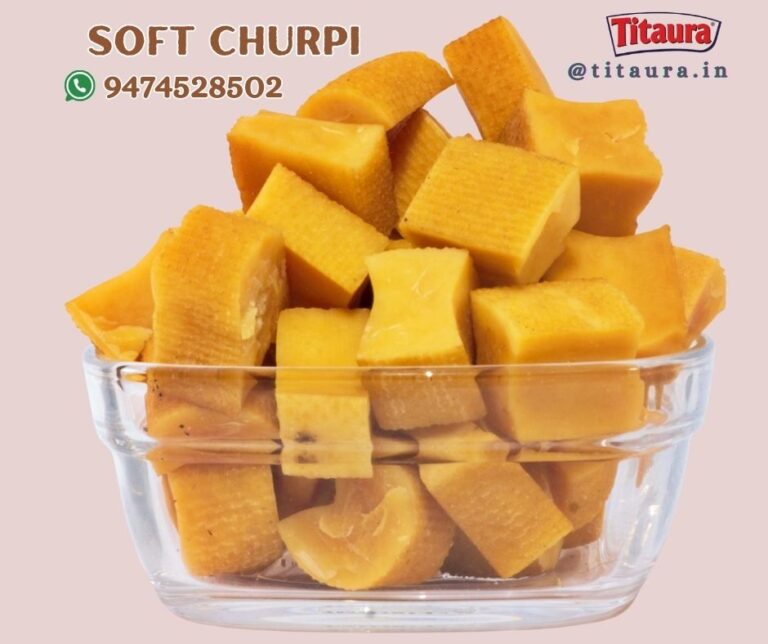 | Soft Churpi 200 grams🧀 Churpi – The Himalayan Superfood You Can Buy OnlineIf you’ve ever explored the beautiful Himalayan regions of Sikkim, Darjeeling, Bhutan, or Nepal, you’ve probably come across a unique, flavorful cheese called Churpi. Known for its distinct taste, high nutrition, and long-lasting chewiness, Churpi has been part of Himalayan culture for centuries. Today, this traditional cheese is gaining global attention—not only as a healthy human snack but also as a natural dog chew. In this blog, we’ll explore what Churpi is, its types, health benefits, and why you should order it online today! 🌿 What is Churpi?Churpi is a traditional Himalayan cheese made from the milk of yak, chauri (yak-cow cross), or cows. Depending on how it is processed, it can be soft, medium, or extremely hard.
💪 Nutritional Value of ChurpiChurpi is not just delicious—it’s a powerhouse of nutrition.
👉 This makes Churpi perfect for high-altitude lifestyles, athletes, and even daily snacking. 🌍 Why Buy Churpi Online?Traditionally found only in Himalayan regions, Churpi is now available online for easy doorstep delivery. ✔ Premium quality, sourced directly from the Himalayas 🎯 ConclusionChurpi is more than just a cheese—it’s a Himalayan heritage snack packed with taste and health. Whether you want a soft, melt-in-mouth version for yourself or a hard chew bar for your furry friend, Churpi has something for everyone. 👉 Order Churpi online today and bring home the authentic taste of the Himalayas! ✨ Hashtags for sharing this blog on social media: | |||||||||||||||||||
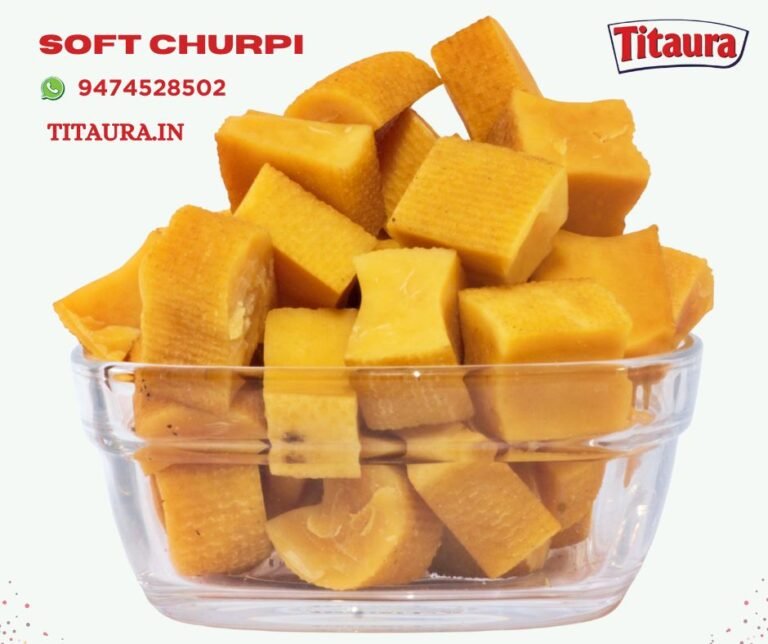 | Soft Churpi – Dried, smoked, and pressed, making it one of the delicious churpi in the world. It can be chewed for hours like a natural candy. Soft Churpi 400 grams
| |||||||||||||||||||
 | Special Jhol TitauraTraditional Snack Culture · Northeast Himalayan Foothills of IndiaSpecial Jhol TitauraThe Liquid-Spiced Tamarind Relish of the Mountain Foothills — A Snack, a Sauce, and a Sensation IntroductionOf all the many forms that titaura takes across the northeast Himalayan foothills of India, none is quite as dramatic, versatile, or beloved as Jhol Titaura — the liquid-spiced variant that sits somewhere between a relish, a dipping sauce, and a standalone snack experience. The word jhol means a thin, pourable liquid or gravy in the local hill dialect, and it perfectly describes this remarkable preparation: a glossy, dark, intensely flavored tamarind-based liquid loaded with whole and ground spices, dried fruits, and a heat that builds slowly and lingers long.While the dried forms of titaura are carried in pockets and school bags, Jhol Titaura is scooped carefully into small containers, poured over sliced fruits, drizzled on puffed rice, or consumed with a tiny spoon as a sour-spicy liquid treat. It occupies a special place in the snack culture of the Darjeeling hills, Sikkim’s bazaars, Kalimpong’s market lanes, and the tea-garden towns of the Dooars — wherever a small bottle of this deep, complex condiment appears, it draws an immediate crowd.What Makes It “Special”The qualifier “Special” before Jhol Titaura is not used lightly in the hill communities. A regular jhol titaura is simply tamarind cooked with spices and kept loose. The Special version goes several steps further — it is a layered, multi-ingredient preparation where each component is treated separately before being combined, producing a depth of flavor that simple preparations cannot replicate.What typically defines the “special” character includes the use of lapsi (Choerospondias axillaris — the Himalayan hog plum) alongside tamarind for a layered tartness; whole timur (Sichuan pepper) toasted separately and added in two forms — ground and whole — for both heat and texture; a slow-reduction cooking process that concentrates flavor; and a careful balance of black salt, rock salt, and sometimes a small quantity of fermented ingredient that adds a subtle umami depth no commercial version achieves.Each maker in the hills has their own secret proportion — the ratio of lapsi to tamarind, the exact moment the spices go in, whether a pinch of methi (fenugreek) is added for bitterness, whether fresh ginger is used alongside dry — and these small decisions are what make a vendor’s Special Jhol Titaura legendary in their locality.Key Ingredients in DetailImli (Tamarind)The anchor of the jhol — provides the dominant sourness and the thick, sticky body that defines the sauce’s texture. Whole pods are soaked overnight for maximum pulp extraction.Lapsi (Himalayan Hog Plum) Dried or fresh lapsi is the defining ingredient of Special Jhol Titaura. Its floral tartness is distinct from tamarind — more perfumed, slightly resinous — and when combined with imli, creates a sourness of extraordinary complexity.Timur (Sichuan Pepper) Used in two ways — whole peppercorns fried briefly in oil and added as texture, and freshly ground powder stirred in toward the end. The tongue-numbing, citrusy heat of timur is the soul of this preparation.Sukha Khursani (Dried Red Chili) Whole dried chilies are briefly roasted and then coarsely ground — keeping them coarse rather than powdering them preserves the pungency. In the special version, both Dalle Khursani and regular dried red chili may be used together.Kalo Noon (Black Salt) Essential for depth and that distinctive sulfurous minerality that makes the jhol taste “alive.” Combined with regular salt for a balanced salinity profile.Aduwa (Fresh + Dried Ginger) Fresh ginger adds brightness and pungency; dried ginger adds warmth and depth. The special version uses both — the interplay of these two forms of the same ingredient creates a layered ginger note that neither alone can achieve.Jeera (Cumin) Dry roasted and ground, cumin provides an earthy, slightly smoky undertone that ties the bright acids and sharp spices together into a cohesive flavor.Chini / Misri (Sugar / Rock Candy) Used sparingly — just enough to round the sourness and make the heat approachable. Some special versions use jaggery for a molasses-like sweetness that regular sugar cannot replicate.Mustard Oil (Optional) A small drizzle of raw mustard oil is stirred in at the very end by some makers in the Dooars and lower Terai belt — it adds a pungent, slightly bitter edge and creates a sheen on the surface of the jhol.The Preparation Process — Step by StepStep 1 — Soaking the sour baseRaw tamarind and dried lapsi (or fresh lapsi pulp) are soaked separately in warm water for a minimum of four hours, ideally overnight. This long soaking ensures maximum extraction of their flavors and makes straining effortless.Step 2 — Straining and combiningBoth soaked fruits are strained through a fine mesh, pressing the pulp firmly to extract every drop. The two liquids are combined in a heavy-bottomed pot — the lapsi giving a pale golden hue, the tamarind a deep amber brown, together creating a dark caramel-colored base.Step 3 — The first spice layerDry-roasted cumin, dried ginger powder, and a portion of the ground dried red chili are added to the liquid and brought slowly to a simmer. This first layer of spice infuses into the liquid base over low heat, building the foundational flavor profile. The mixture is stirred continuously to prevent sticking.Step 4 — Slow reductionThe mixture is cooked uncovered on the lowest possible heat, sometimes for an hour or more, until it reduces to roughly half its original volume. This concentration step is what separates a Special Jhol from an ordinary one — the sugars caramelize slightly, the acids mellow, and the spices fully bloom into the liquid. The color deepens to a rich, almost black-brown.Step 5 — Sweetening and saltingSugar or jaggery is added and stirred in until fully dissolved. Black salt is added next, followed by regular salt. The balance of sweet, sour, and salty is tasted and adjusted carefully — this is the most critical and personal step, where each maker’s signature emerges.Step 6 — The second spice layer (the “special” touch)Once the heat is turned off, the second layer of freshly ground timur powder, fresh ginger paste, and the remaining coarsely ground dried chili are… | |||||||||||||||||||
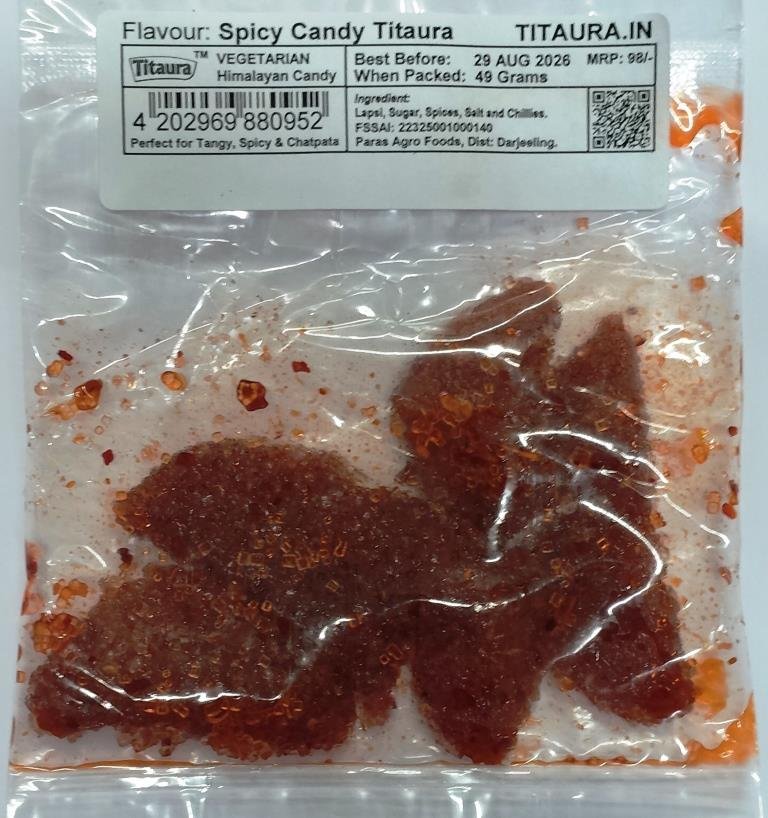
 | Special Lapsi Candy (5 Packets) 🌟 Special Lapsi Candy Titaura – A Tangy, Sweet, and Spicy Delight! 🌟 Craving a burst of tangy, sweet, and spicy flavors all at once? Look no further than Special Lapsi Candy Titaura – the ultimate Himalayan snack that’s both addictive and nostalgic! What Makes Lapsi Candy Titaura So Special?Made from Himalayan hog plum (Lapsi), this titaura is a perfect blend of: Why You’ll Love It:✅ 100% Natural – Made from real Lapsi fruit. Whether you’re studying, working, or just craving something flavorful, Lapsi Candy Titaura is your go-to snack! 📍 Where to Get It? Have you tried it yet? Share your love for Lapsi Titaura in the comments!👇 #LapsiCandy #Titaura #himalayanSnack #SpicyAndSweet #HimalayanFood #NostalgicFlavors | |||||||||||||||||||
 | ||||||||||||||||||||
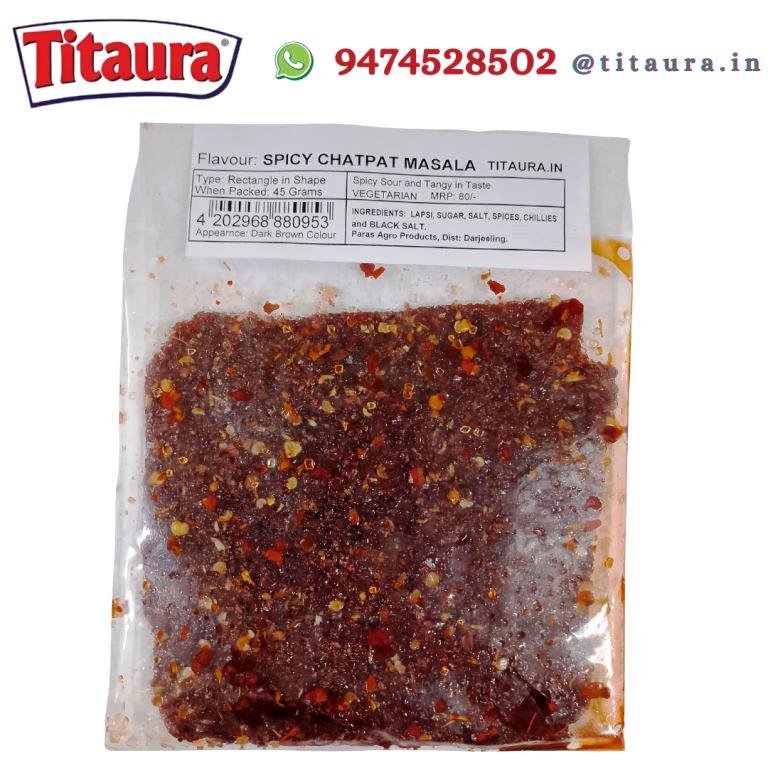 | Spicy Chatpat Masala (Pack of 6)Experience the authentic Nepali taste with our Spicy Chatpat Masala Titaura, a mouth-watering blend of tangy fruitiness, bold spices, and irresistible heat that keeps you craving more with every bite. Specially crafted for true titaura lovers, this delicious treat delivers a perfect balance of sourness, spiciness, saltiness, and sweetness, making it ideal for snacking anytime. Spicy Chatpat Masala Titaura – The Perfect Burst of Tangy, Spicy & Chatpata FlavorMade using premium quality fruits, carefully selected spices, and traditional preparation methods, this Chatpat Masala Titaura captures the true essence of Himalayan street-style flavors while maintaining hygiene, quality, and freshness. ⭐ Why You’ll Love It
🍽️ Ideal For
🧂 Taste ProfileSpicy • Tangy • Chatpata • Slightly Sweet • Addictively Flavourful 🏷️ IngredientsPremium Fruit Base, Himalayan Spices, Chili Powder, Salt, Sugar, Natural Seasonings & Preservatives (as permitted). 📦 Packaging & Quality
🧊 Storage Instructions
🚚 DeliveryFast, safe, and reliable shipping to ensure your Titaura reaches you fresh and flavorful. Bring home the taste that excites your tongue and warms your heart. Order your Spicy Chatpat Masala Titaura today and satisfy your ultimate chatpata cravings! | |||||||||||||||||||
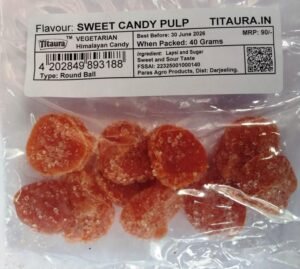
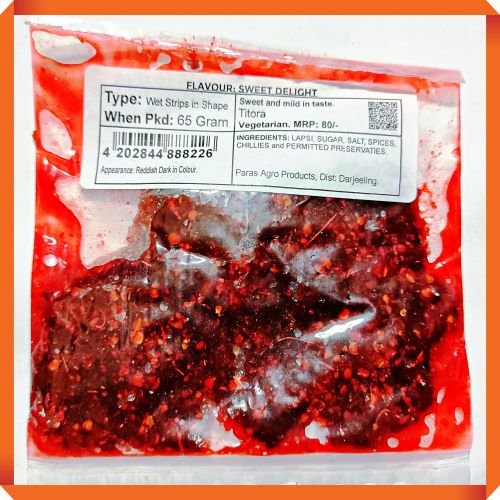
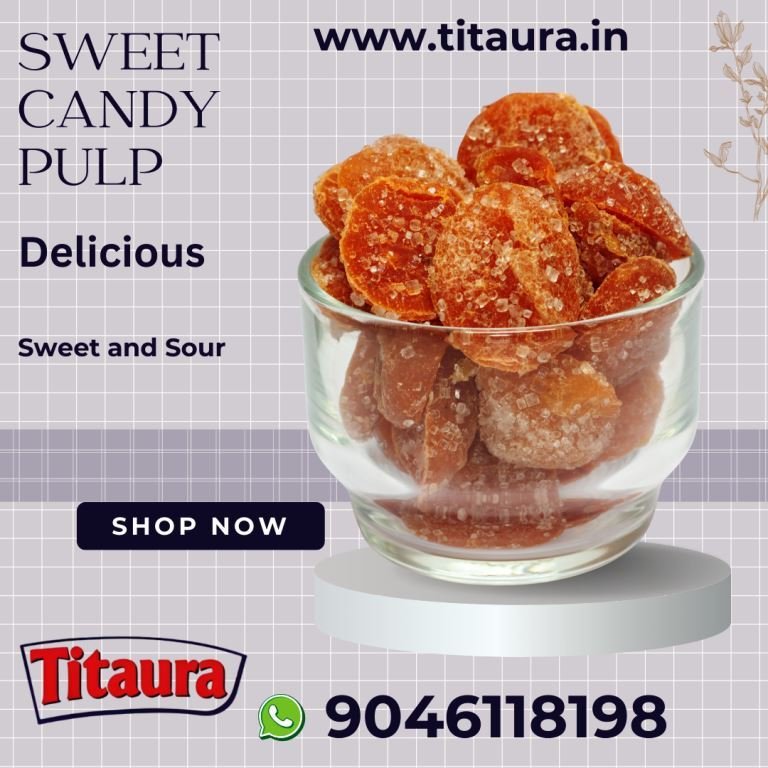 | Sweet Candy Pulp Titaura About the Product The Snack That Darjeeling Grew Up OnTitaura is not just a snack — it is a memory. For generations, children from darjeeling have reached for these tangy, chewy morsels sold in street stalls and small shops across the hills. Our Sweet Candy Pulp Titaura revives that magic in a form that is both nostalgic and refreshingly modern.
Made from real fruit pulp — predominantly from Lapsi — each piece is slow-cooked to a delicate chewiness before being coated in a signature sweet-spiced shell. The result is a multi-layered flavor journey: a gentle sweetness gives way to a bright tang, followed by a subtle warmth that lingers on the palate. We source our fruits directly from trusted growers in the Terai and hilly regions of Himalaya, ensuring freshness and supporting local farming communities. There are no artificial colors, no synthetic preservatives — just fruit, spice, and time-tested technique.
Our Story From Mountain Kitchens to Your DoorstepTitaura has been part of Darjeeling’s edible identity for centuries. Street vendors have long sold hand-rolled, sun-dried fruit confections that capture the essence of local produce — tart, sweet, and full of character. At titaura.in, we set out to preserve this tradition while making it accessible everywhere. Our Sweet Candy Pulp Titaura combines the concentrated goodness of ripe tamarind and mango pulp with a refined, consistent candy form that you can enjoy at home, at work, or on the go. Each batch is small, made with care, and reviewed for quality before it ever reaches your hands. We believe that great snacking begins with great ingredients and genuine tradition — and this product is the proof. | |||||||||||||||||||
 |
List with description
Filters Sort results
Reset Apply
 Churpi – The Himalayan Superfood You Can Buy Online